
Last updated September 20, 2026
Full 25-point door and opener safety check with every visit - springs, cables, rollers, tracks, and your LiftMaster or Chamberlain opener included
You get a price before we start. It does not change when the truck arrives.
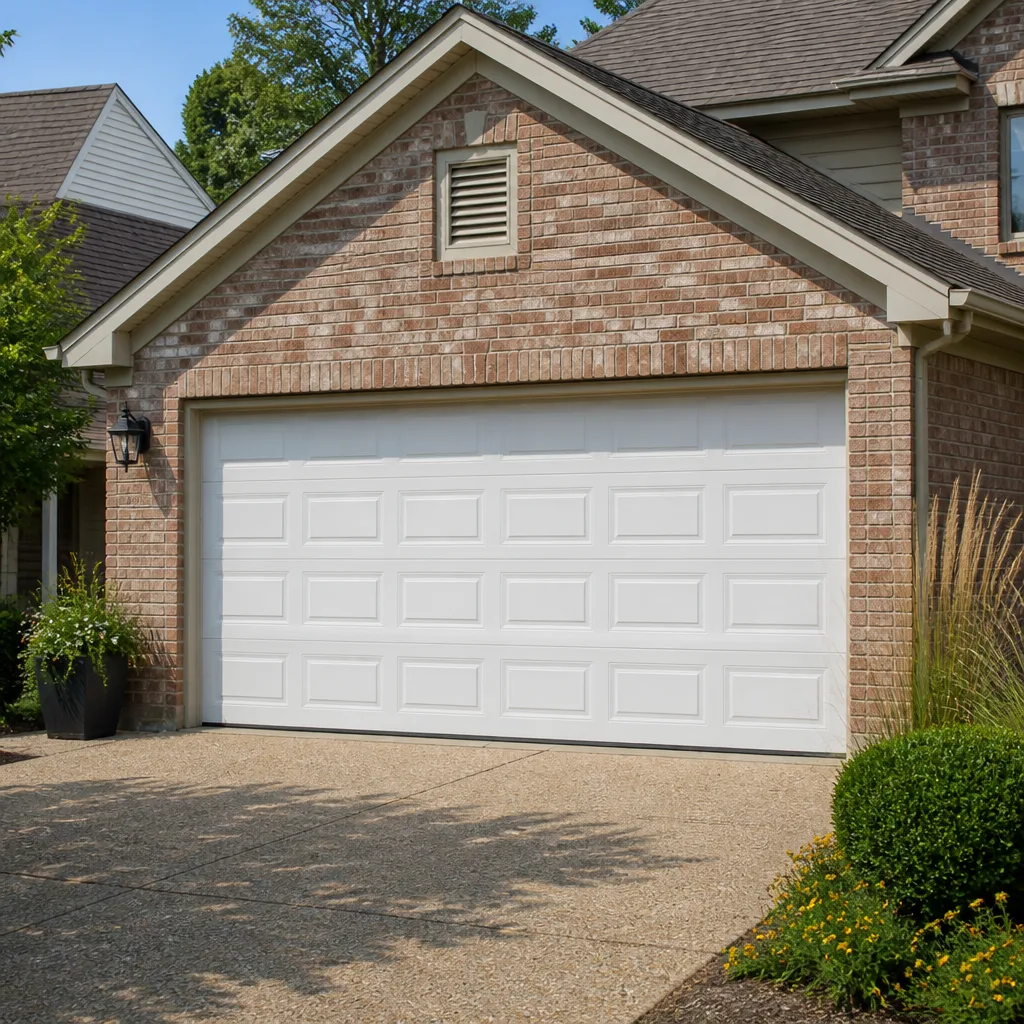
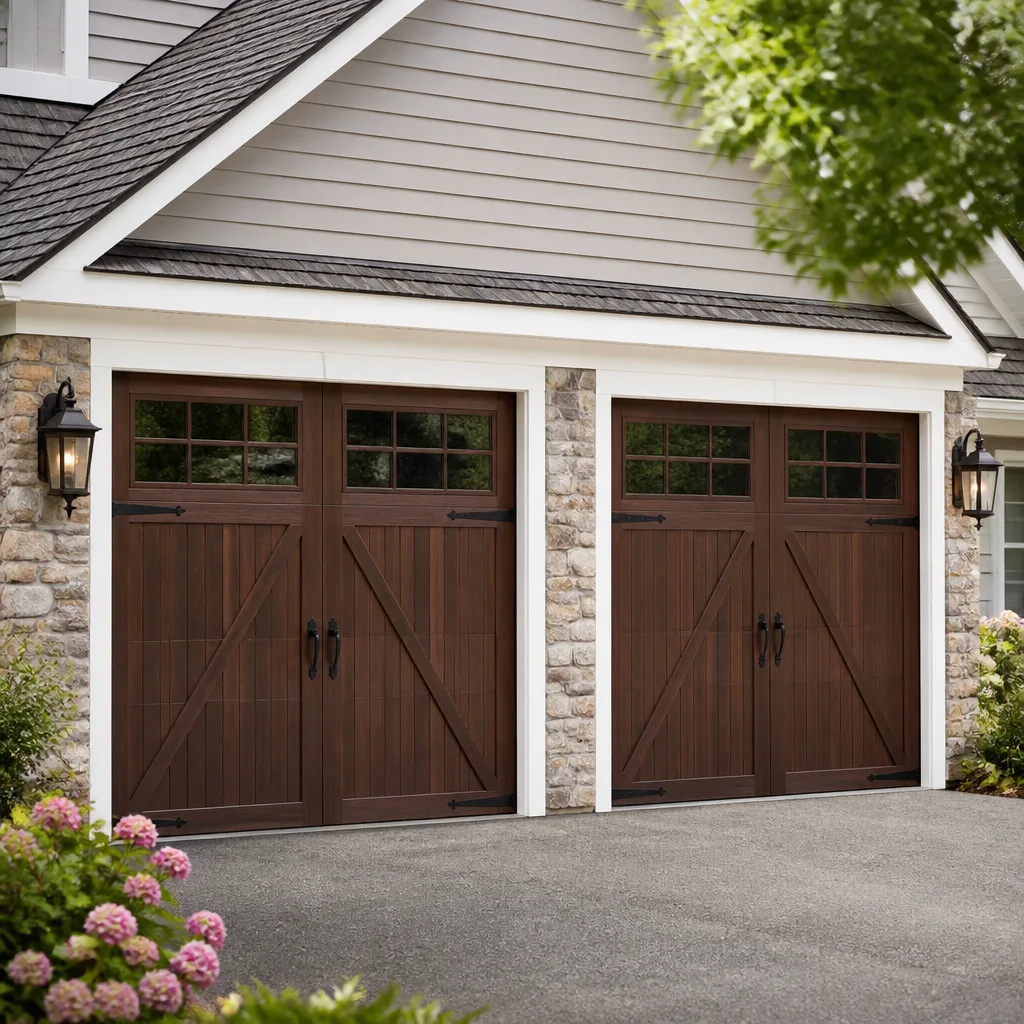
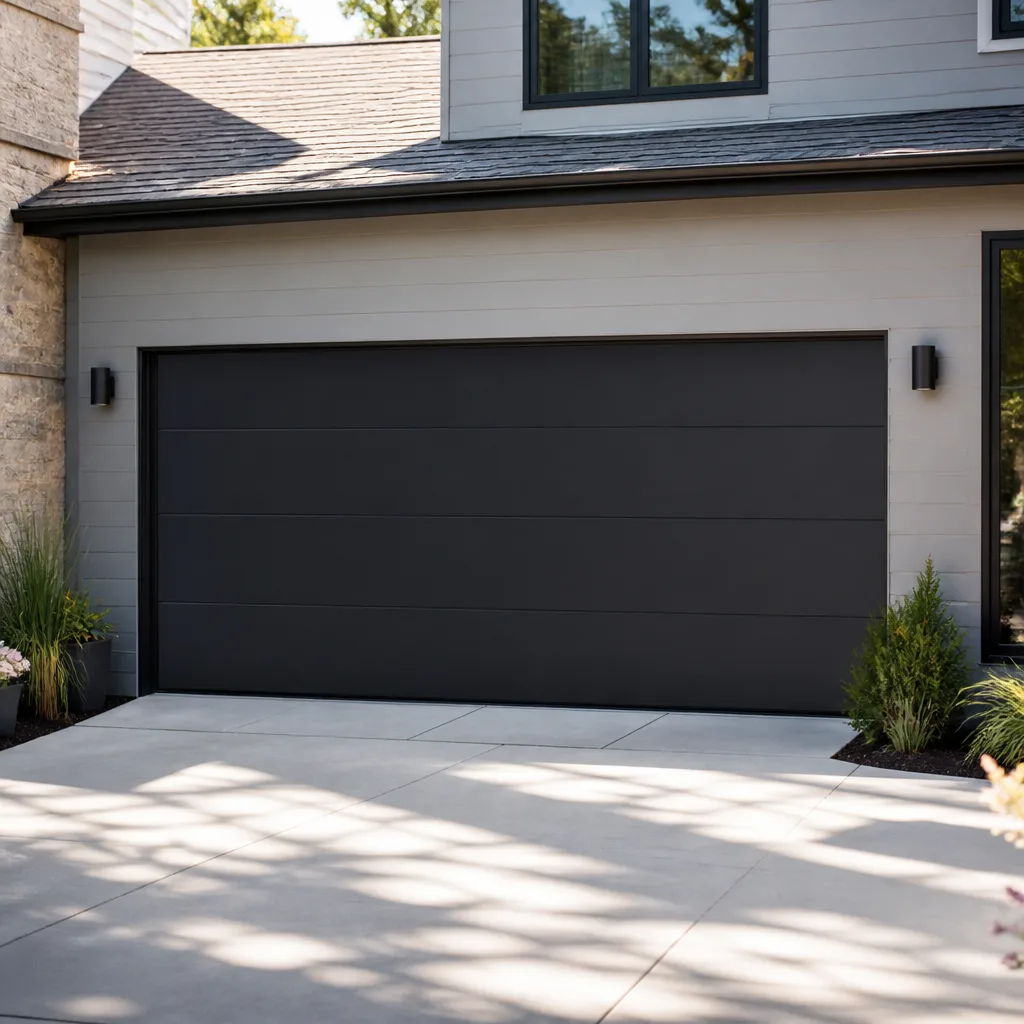
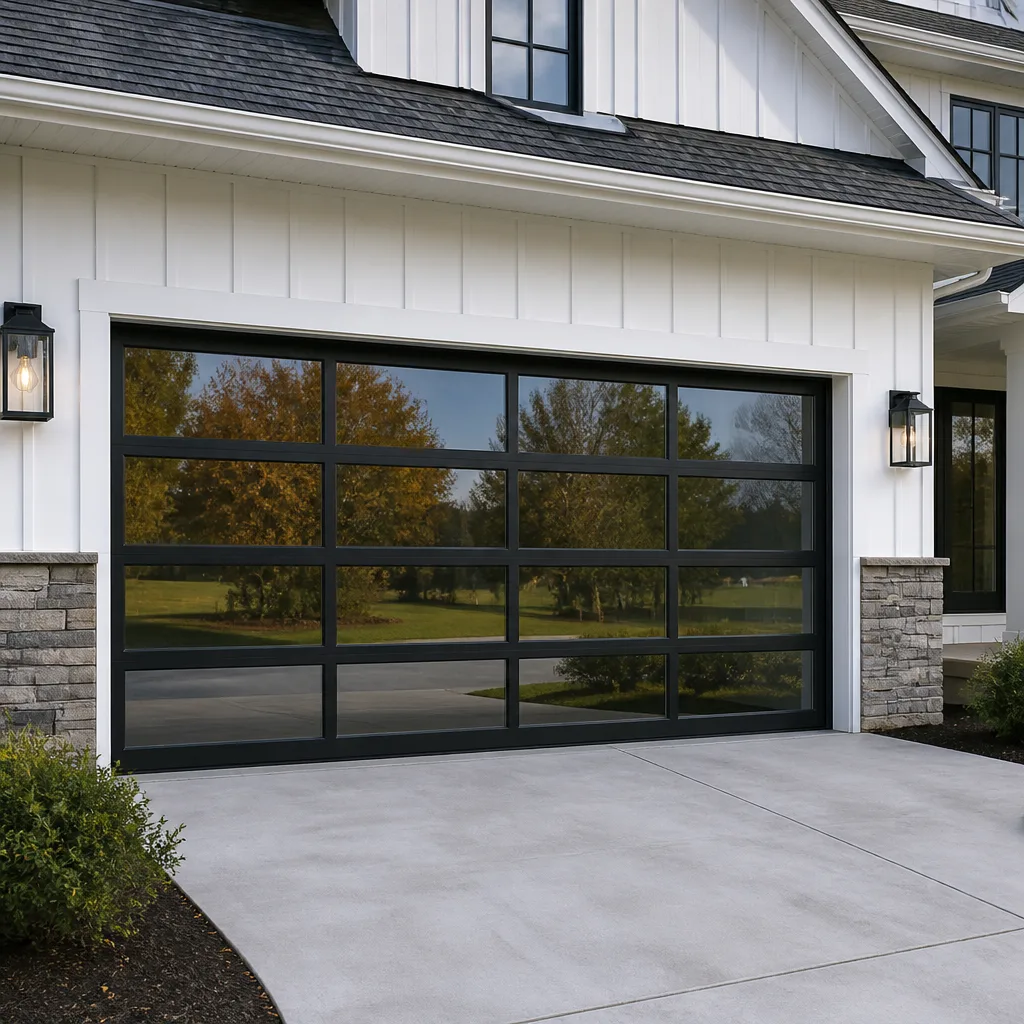
 Before
 After
After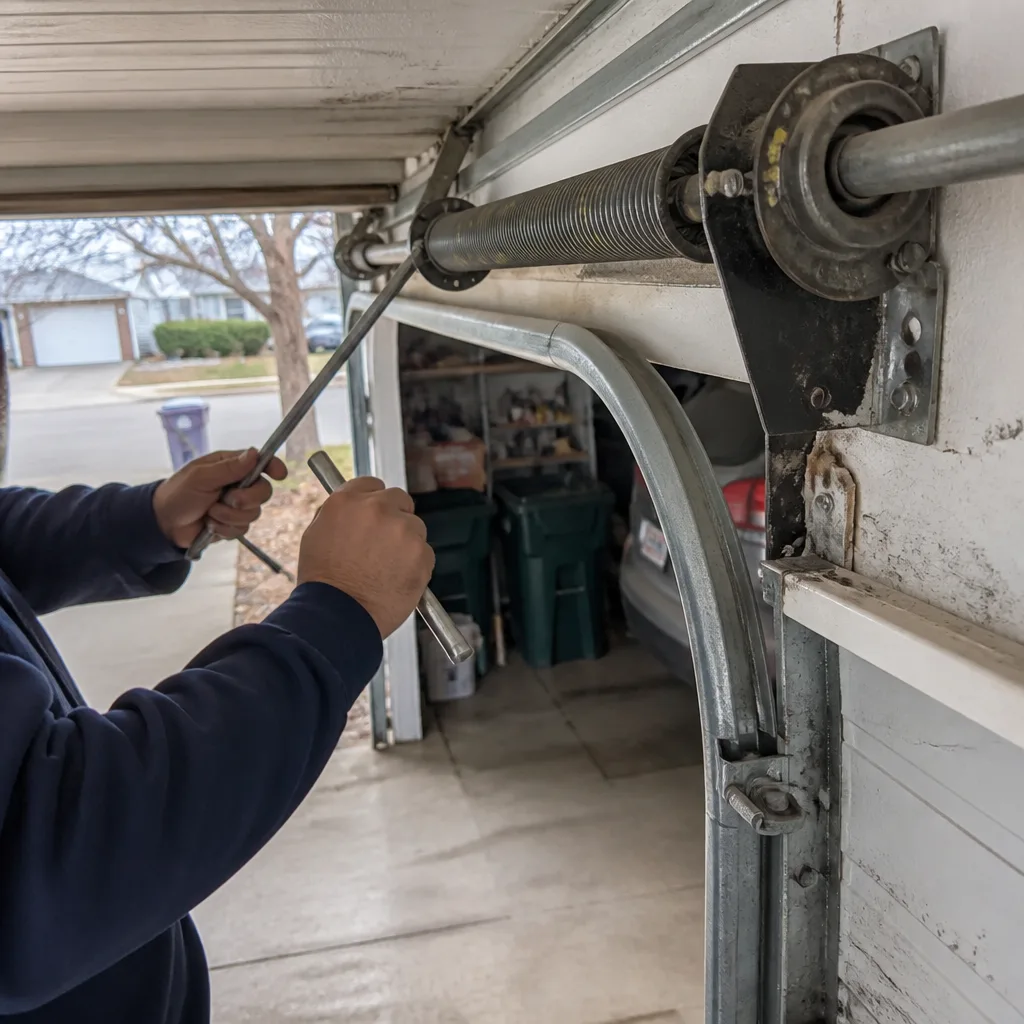 Before
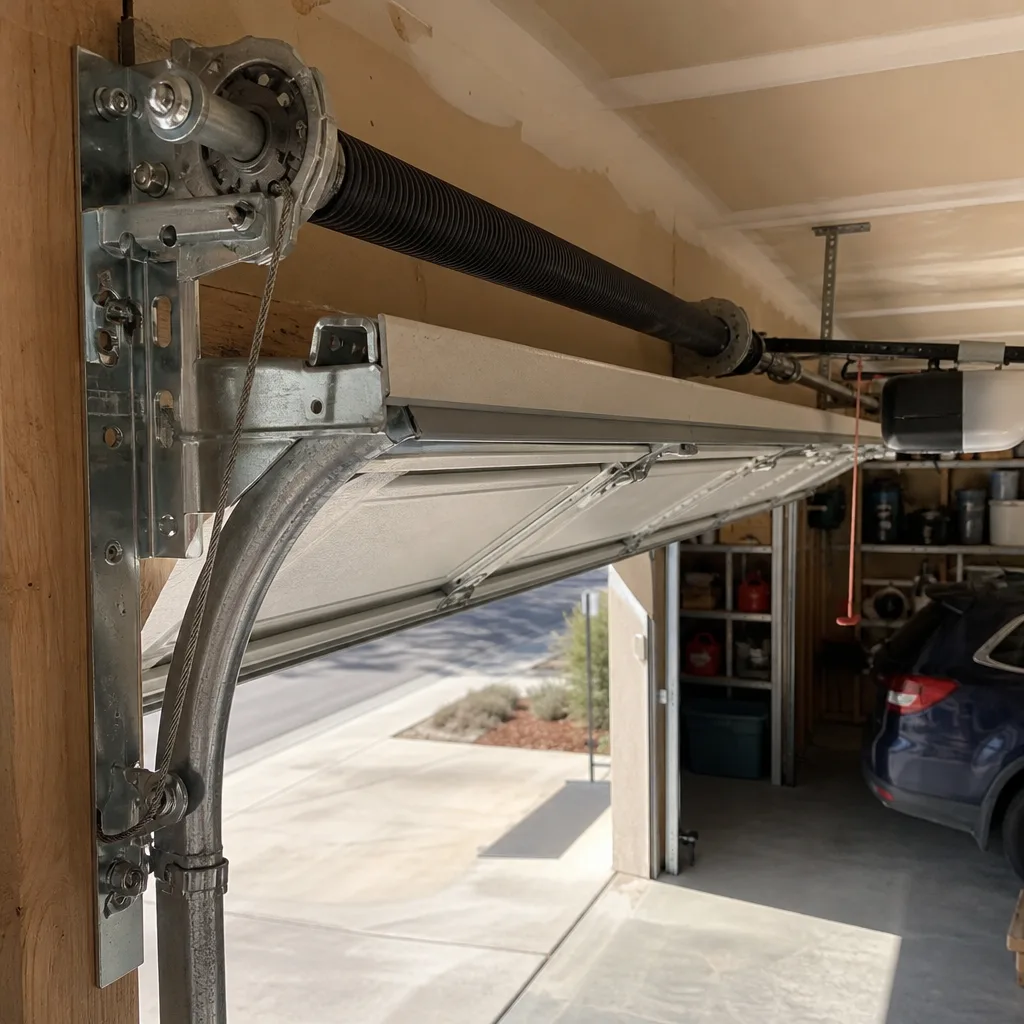 After
After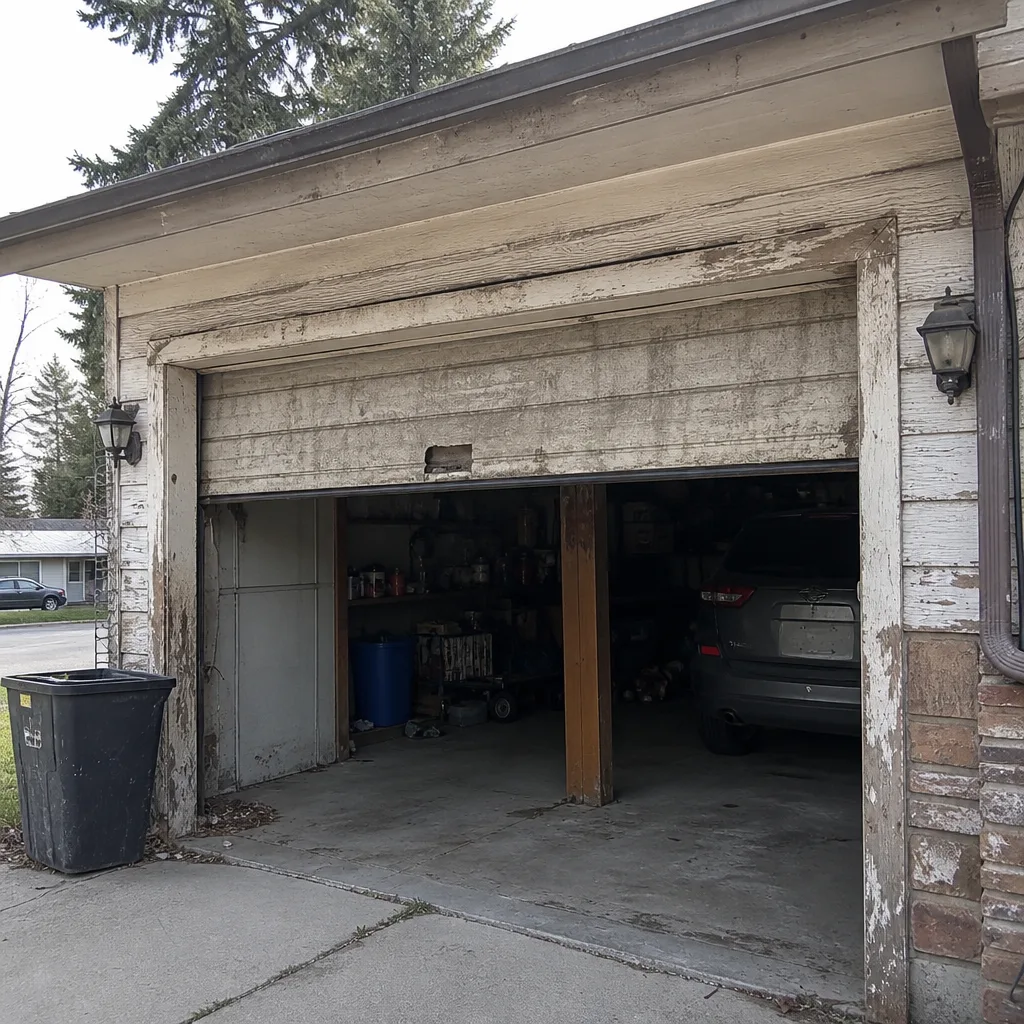 Before
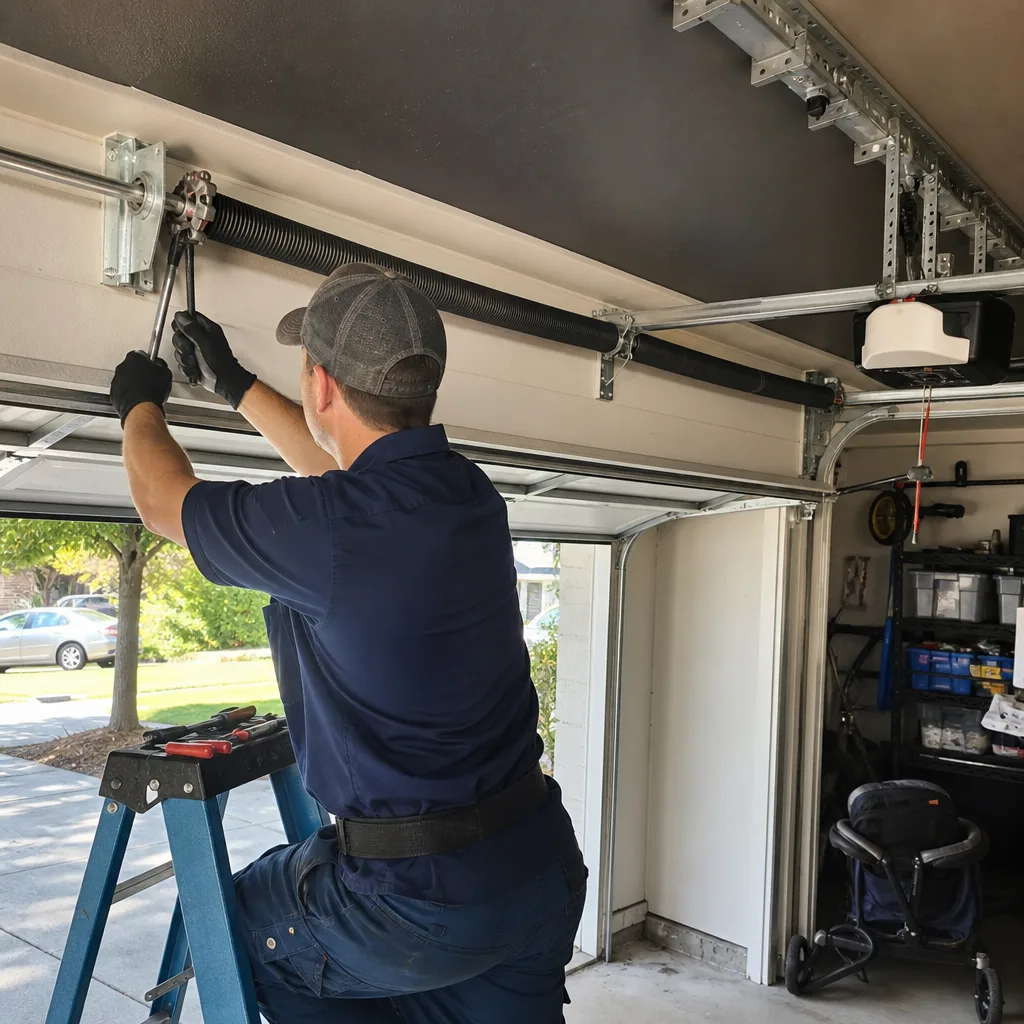 After
AfterGarage Door Permits, Codes & Inspections in CO: What You Need to Know
Here’s a number most Longmont homeowners never hear until a home sale falls apart: an unpermitted garage-door alteration can knock $4,000 to $12,000 off a final sale price or stall closing for 30 to 60 days while the paperwork catches up. The confusing part is that most garage door replacements in Longmont don’t need a permit at all. Replace a door with one the same size in the same opening and the City of Longmont treats it as maintenance, not construction. But widen that opening by even six inches, or run a new opener circuit across an unfinished garage, and you’ve crossed into permit territory. This guide explains exactly where that line sits in Colorado, what the codes say, what inspectors actually look at, and how to handle the paperwork so your door improvement never becomes a title problem. For related reading, see our Garage Door Warning Signs: A Longmont Homeowner’s Reference Guide.
Quick Answer
In Longmont, replacing a garage door with a like-for-like unit in the same opening generally does not require a building permit, but modifications to the opening, structural header work, or adding a new electrical circuit for a garage door opener typically do. Colorado adopts the International Residential Code (IRC) with local amendments, and Longmont’s Municipal Code Chapter 14.16 governs residential building permits. Before any garage door work beyond a direct swap, verify whether your job is classified as “repair” or “alteration” – that single word determines whether you need a permit, an inspection, and a paper trail.
Table of Contents
- What “Like-for-Like Replacement” Actually Means in Longmont
- When a Garage Door Opener Requires a Separate Electrical Permit
- Fire-Rated Doors: The UL Rating Colorado Requires for Attached Garages
- What an Unpermitted Widening Does to Your Insurance Claim
- How to Pull a Longmont Permit: Yourself vs. Contractor
- What the Rough-In and Final Inspections Actually Cover
- Permit Costs and Timelines in Longmont
- Common Mistakes to Avoid
- When to Call a Professional
- Frequently Asked Questions
- The Bottom Line
BeforeAfterWhat “Like-for-Like Replacement” Actually Means in Longmont
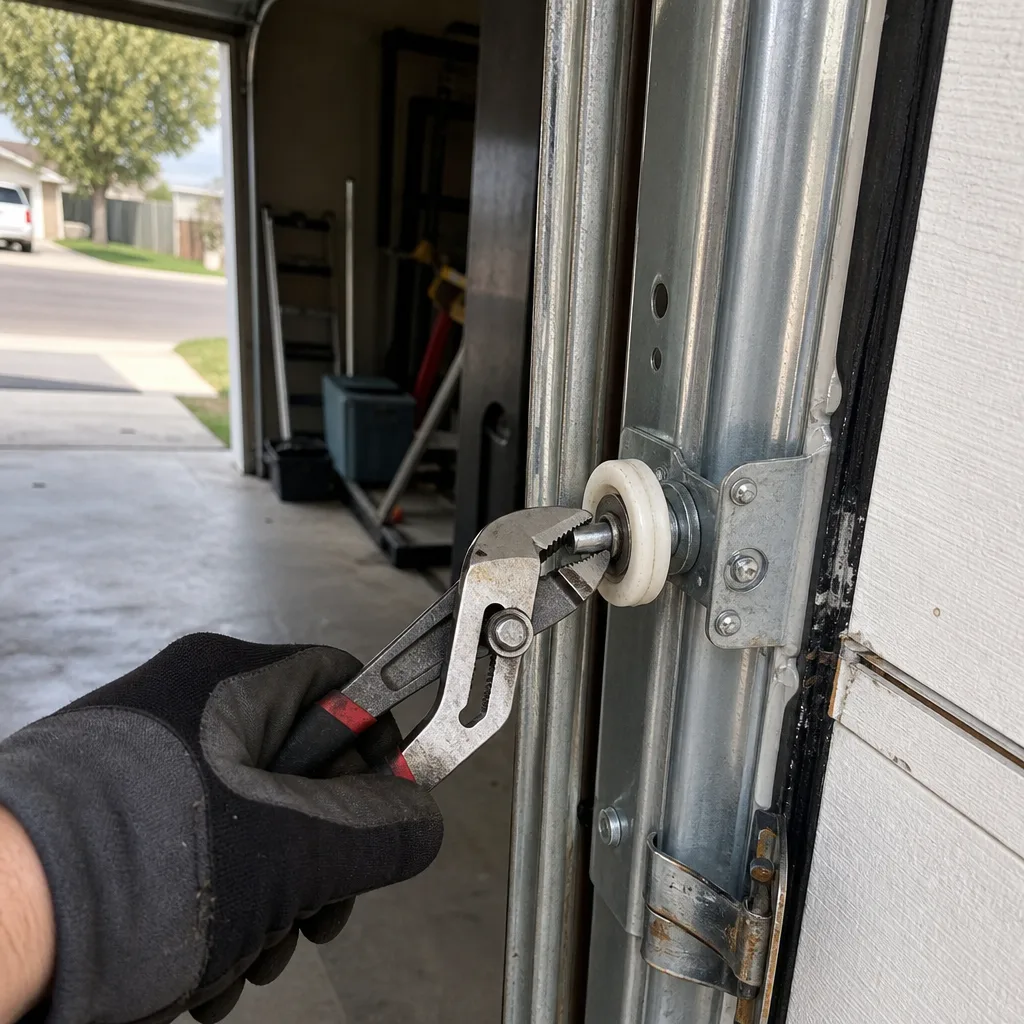
Longmont’s building code defines a “repair” as work that restores something to its existing condition without changing its size, configuration, or structural loading. A “like-for-like” garage door replacement falls under this repair definition: same door dimensions, same opening, same track configuration, same hardware mounting points. You’re swapping a worn component for a new one. No permit required.
The key phrase in Longmont Municipal Code Section 14.16.030 is that permits are required for any work that “alters the structure” of a building. Replacing a 16-by-7-foot sectional door with another 16-by-7-foot sectional door does not alter the structure. The header above the opening stays put. The jambs stay put. The foundation is untouched. Even changing from a wood door to a steel door of the same dimensions qualifies as repair, not alteration.
Where homeowners get tripped up is when “like-for-like” becomes a judgment call:
- Track replacement: Changing from standard radius track to high-lift track changes how the door travels and where the forces land. This is an alteration, not a repair, and may require a permit.
- Header modifications: If the existing header is undersized for the new door weight (common when swapping a lightweight wood door for a heavier insulated steel door), structural work may be required. Structural work always requires a permit.
- Door weight changes: A 2-inch-thick insulated steel door can weigh 50 to 80 pounds more than a hollow wood door of the same size. The existing springs, cables, and header must be re-evaluated. If the header needs reinforcement, you’re in permit territory.
- Converting from two single doors to one double door: This involves removing a center post, installing a new header, and relocating structural load. This is unambiguously an alteration requiring a permit and a structural engineer’s review in most cases.
In our work across Longmont, from Prospect New Town to the Meadowview subdivision, we’ve seen this exact situation dozens of times. A homeowner in the Old North Longmont historic district wanted to widen a single-car garage door to fit a modern SUV. The contractor quoted the job without mentioning a permit. The widening required removing a load-bearing wall section and installing a new laminated veneer lumber (LVL) header. The work needed a building permit from Longmont’s Building Services Division, a structural plan, and two inspections. The contractor’s bid was $2,100 lower than competitors because it omitted all of that. The homeowner caught it before signing. For help vetting professionals, read our How to Hire a Garage Door Contractor in Longmont: A Step-by-Step Guide.
That’s why the distinction matters. A legitimate contractor who does not mention permits on a simple like-for-like replacement is being accurate. A contractor who fails to mention permits on a widening project is either inexperienced or intentionally low-balling. Either way, the homeowner absorbs the risk.
When a Garage Door Opener Requires a Separate Electrical Permit
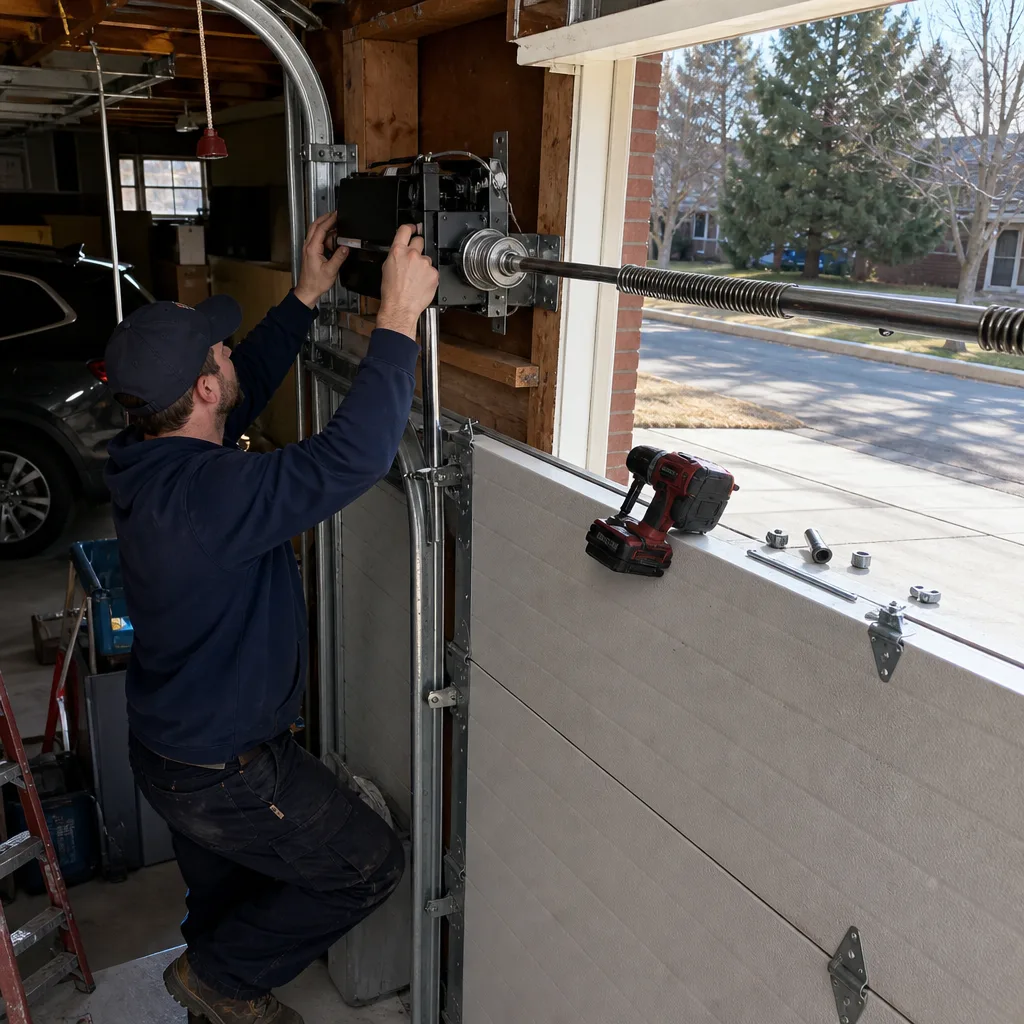
The garage door itself might be a repair, but the opener circuit is a different story. Under Colorado’s adoption of the 2020 National Electrical Code (NEC), a new garage door opener installation requires a dedicated 120-volt, 15-amp circuit with GFCI protection in most residential garages. If that circuit already exists and you’re swapping an opener motor like-for-like, no electrical permit is required in Longmont. If the circuit does not exist – common in older homes built before 2000 or in detached garages with minimal wiring – you need an electrical permit.
Longmont’s Community Development Department issues electrical permits separately from building permits. The cost varies based on the work scope, but a simple opener circuit addition typically runs in the $75 to $150 range for the permit fee alone, not including the electrician’s labor. The inspection itself is usually completed in one visit.
The rough-in inspection covers what you can’t see after drywall goes up:
- Cable routing: The electrician verifies the Romex or conduit is secured properly to framing members, not draped across joists or left exposed in finished wall cavities.
- Box mounting: The outlet box for the opener must be ceiling-mounted in the correct location, typically 10 to 12 feet from the wall, with proper support for the opener’s weight and vibration.
- GFCI protection: Garages are classified as damp or wet locations under the NEC. The opener outlet requires GFCI protection because the garage floor can accumulate moisture, especially in Longmont’s winter months when melting snow and road salt drip off vehicles.
- Circuit capacity: A garage door opener should be on its own circuit, not shared with lighting or other garage outlets. The inspector verifies the circuit is sized correctly for the motor’s nameplate amperage.
- Grounding: The circuit must be properly grounded, and the inspector will test this at final.
One thing Longmont homeowners often miss: if your home was built before 1990, the existing opener outlet may not have GFCI protection. The NEC only applies to new work, not existing conditions, so you’re not required to upgrade it when replacing an opener. But if you’re already opening walls or pulling new wire, the inspector will require GFCI protection on the circuit you’re touching. This is a good upgrade to make anyway – a GFCI outlet is $20 and protects against ground faults in a damp garage environment.
For homeowners adding an opener to a detached garage that has no electrical service at all, the scope expands significantly. Running a new feeder line from the main panel to a detached structure requires a trench, conduit, and a subpanel in many cases. This is a multi-day project with its own permit and inspection sequence. Budget $1,500 to $3,500 depending on trench distance and existing panel capacity. If your panel is full, a subpanel or panel upgrade adds $2,000 to $5,000. We’ve seen homeowners in Longmont’s older neighborhoods near Lanyon Park discover this only after they bought the opener and scheduled the install.
Fire-Rated Doors: The UL Rating Colorado Requires for Attached Garages
This is the code section almost no homeowner knows exists, and it’s the one that most often fails a home inspection at resale. The 2021 IRC Section R302.5.1, adopted by Colorado with no weakening amendments, requires any door between an attached garage and the living space to be a minimum 20-minute fire-rated door. This applies to the pedestrian door that leads from the garage into the house, not the vehicle doors.
The specific language matters: “Openings from a private garage directly into a room used for sleeping purposes shall be equipped with self-closing hardware and shall be of 20-minute fire-resistance-rated construction.” If your attached garage opens directly into a bedroom, the door must be fire-rated. If it opens into a hallway, kitchen, or mudroom, the same 20-minute rating applies under R302.5.1 as an opening between the garage and the dwelling unit.
How to verify a door meets the UL 20-minute standard:
- Look for the label: A certified fire-rated door has a UL or Intertek label on the hinge edge, typically a small gold or silver sticker that lists the manufacturer, the fire rating in minutes, and the testing standard. If there’s no label, the door is not rated.
- Check the core: Solid-core wood doors are often confused with fire-rated doors. A solid-core door provides better fire resistance than hollow-core, but it is not rated unless it carries the certification label. A 1 3/8-inch solid-core door is not a substitute for a labeled 20-minute door.
- Verify self-closing hardware: The code requires self-closing hinges or a self-closing device on the fire-rated door. A spring hinge that was removed by a previous homeowner is a common inspection failure. Reinstalling spring hinges costs about $40 and takes 20 minutes.
The practical consequence: if you’re renovating your garage or replacing that interior door, and you install an unrated door, you’ve created a code violation that will surface when you sell. A home inspector will flag it. A buyer’s lender may require correction before funding. At minimum, you’ll be replacing the door on a deadline. We’ve seen this in Longmont homes built in the 1970s and 1980s, where original fire-rated doors were swapped for decorative unrated doors decades ago and no one caught it until the inspection.
The garage door between the garage interior and the house is not the same as the vehicle door. Vehicle doors – the big sectional or roll-up doors – do not carry fire ratings under residential code. They burn, but the code’s fire separation requirement is about slowing fire spread from the garage into living space, which the pedestrian door addresses.
What an Unpermitted Widening Does to Your Insurance Claim
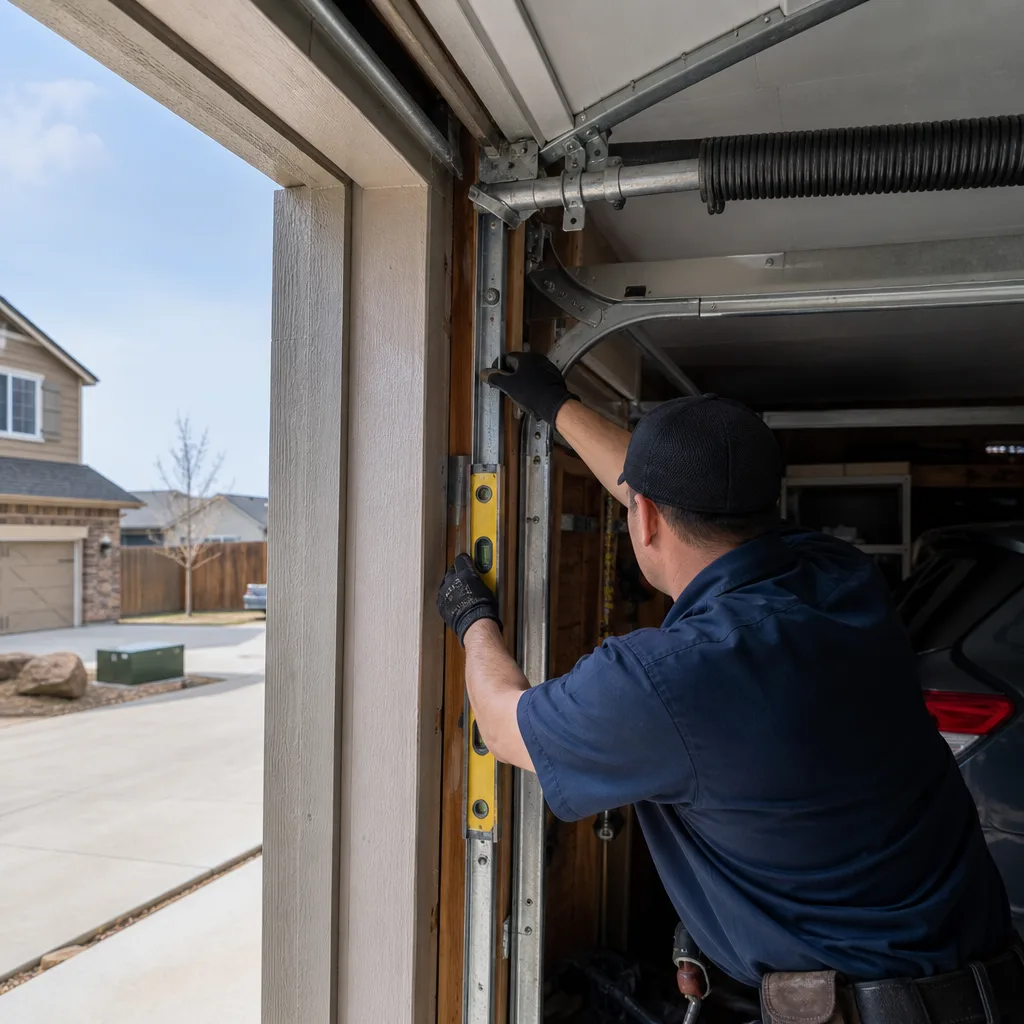
This is the section that makes homeowners in Longmont sit up straight. A garage door widening project without a permit creates a specific and knowable set of problems if the structure is later damaged, whether by wind, hail, or a vehicle impact.
Colorado operates under standard HO-3 insurance policies for most single-family homes. These policies contain an exclusion for “faulty, inadequate, or defective” work, but they do not automatically exclude damage caused by unpermitted work. What they do is far more subtle and far more costly.
The real problem sequence looks like this:
- Denial of coverage for the modified area: If a claim involves the modified structure – say, a windstorm rips off the exact portion of the roof over the widened garage opening, or a hailstorm damages the new header – the adjuster will investigate whether the modification contributed to the loss. If the unpermitted widening altered the structural load path and that alteration is deemed a contributing factor, the claim can be denied for that portion of the damage.
- Premium recoupment: Some carriers rescind or recalculate coverage when they discover an unpermitted structural alteration that wasn’t disclosed at policy issuance or renewal. You may owe back premium for the period you were underwriting a house that didn’t match your application.
- Policy non-renewal: A discovered unpermitted structural alteration can trigger non-renewal. You’ll be shopping for coverage with a black mark, and Colorado’s high-wind and hail environment means garage structure modifications get more scrutiny than in most states.
- Sales transaction impact: Buyers’ lenders increasingly require a permit history search as part of due diligence. An unpermitted widening shows up on a disclosure form (Colorado requires sellers to disclose unpermitted work) and may cause the buyer’s loan to stall.
The math on a Longmont home is concrete. A garage door widening that costs $8,000 with a permit might cost $6,500 without one. The $1,500 saved disappears the first time any issue arises involving that structural opening. And Colorado’s hail belt – Longmont has seen multiple catastrophic hail events in the past decade – means the probability of a claim involving roof or wall structure near the garage is not theoretical.
The resolution, when we explain it to homeowners, is usually the same: if the work is done, pull the permit retroactively. Longmont’s Building Services Division processes “as-built” permits for existing unpermitted work. You’ll need a structural engineer’s letter confirming the work meets current code, and you may need to open wall cavities for inspection. It costs more than pulling the permit upfront. But it resolves the insurance and resale exposure.
How to Pull a Longmont Permit: Yourself vs. Contractor
In Longmont, the homeowner is legally entitled to pull their own building permit as the property owner. The permit is issued in your name, you are listed as the responsible party, and you schedule the inspections. A licensed contractor can also pull the permit, in which case the permit is issued in the contractor’s name and the contractor is the responsible party.
The question is which arrangement serves you better. Our view, formed over years of watching both approaches play out across Longmont, is simple: when possible, the permit should be in your name.
Here’s the reasoning. A permit in the contractor’s name is a permit that a contractor can walk away from. If the contractor goes out of business, leaves town, or refuses to correct an inspection failure, the open permit sits on your property with the contractor’s name attached to it. The City comes to you as the property owner to close it out, but you can’t enforce the contractor’s obligation through the permit itself. A permit in your name means you control the inspection scheduling, you receive the inspection results directly, and you’re not dependent on a third party to close out the record.
The process for pulling a homeowner permit in Longmont:
- Confirm the scope: Determine whether your work is repair (no permit) or alteration (permit). If you’re uncertain, call Longmont’s Building Services Division at (970) 528-5851 and describe the work in plain terms. They’ll tell you what applies.
- Gather documentation: For structural changes like a widening, you’ll need a drawing or plan showing the existing opening, the proposed opening, and the header design. For simple alterations, a sketch with measurements is often sufficient. The Building Services Division counter at 385 Kimbark Street can review it on the spot.
- Submit and pay: Permit fees are calculated based on the work valuation. A garage door alteration permit in Longmont typically runs $125 to $300 depending on scope. Electrical permits are additional, usually $75 to $150 for a single circuit.
- Schedule the inspection: Once work is complete (or at the rough-in stage for structural work), call the Building Services Division to schedule. Longmont typically schedules residential inspections within 3 to 5 business days.
- Close out the permit: The inspector signs off, the permit is closed, and you receive a final record. Keep this document. It goes in the file you’ll want when you sell.
If a contractor pulls the permit, you should still verify it exists. Ask for the permit number, then call Longmont’s Building Services Division to confirm it’s active and in good standing. We’ve encountered situations in Longmont where a homeowner was told a permit was “in progress” for months, only to discover it was never filed.
What the Rough-In and Final Inspections Actually Cover
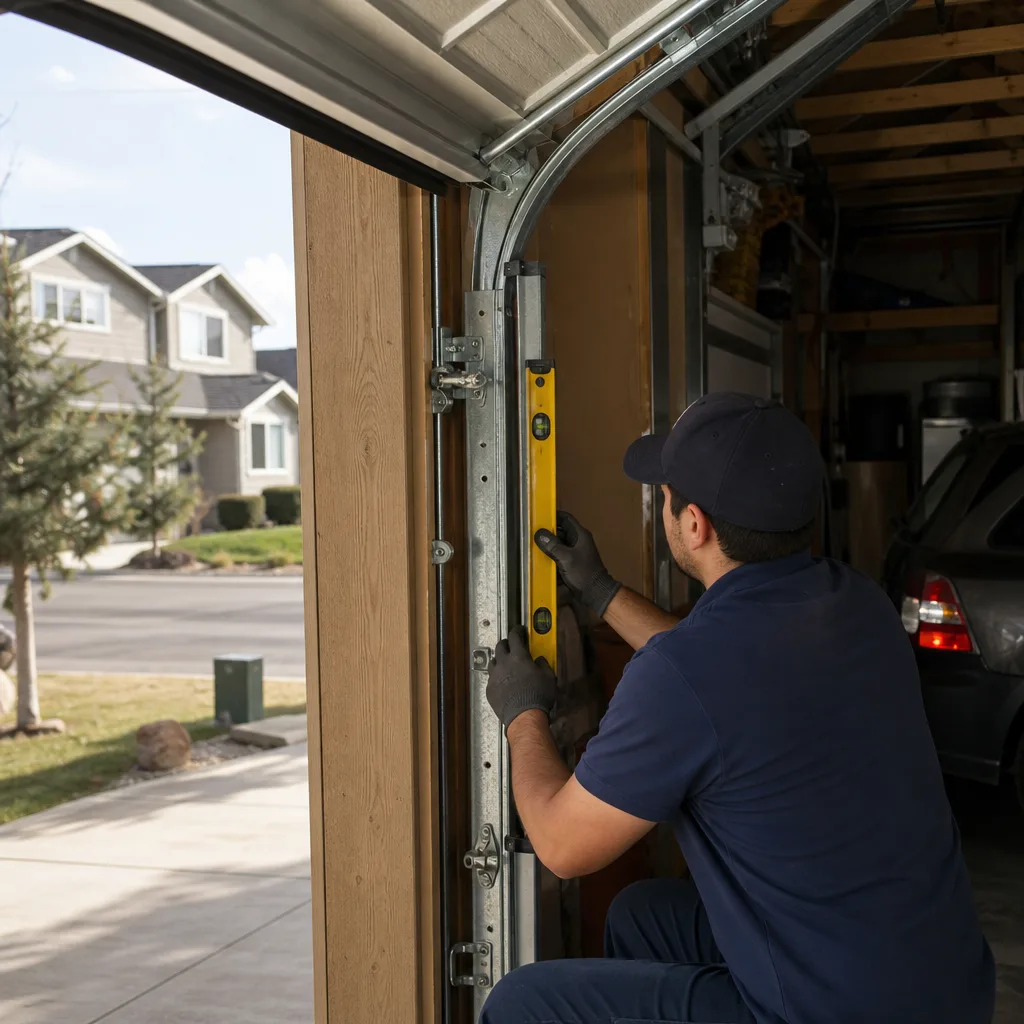
When a garage door alteration does require a permit in Longmont, the inspection sequence is usually two visits: rough-in and final. Understanding what happens in each one takes the mystery out of the process, and it’s genuinely useful information if you’re hiring the work out and want to know what the inspector will check.
Rough-in inspection: This happens after structural work is complete but before finish materials cover the evidence. The inspector is looking at the structural elements that will be hidden behind drywall or trim. Specific checks include:
- Header size and bearing: The new header over the widened opening must match or exceed the size specified on the permitted plans. An undersized header is the most common rough-in failure on garage door widenings. The inspector will measure it.
- King and jack studs: The vertical framing members supporting the header must be properly installed with full bearing. If the original framing was undersized or damaged, it must be replaced.
- Anchor bolts: The sill plate connecting the wall to the foundation must be correctly bolted, with spacing per IRC Table R403.1.6. In Colorado’s wind zone, this is checked closely.
- Lateral bracing: The wall section around the widened opening needs proper shear resistance. In Longmont, this often means OSB sheathing panels nailed to a specific schedule, and the inspector verifies the nailing pattern.
Final inspection: This happens after the door is installed, the trim is complete, and any electrical work is finished. The inspector verifies:
- Door function: The door opens and closes smoothly, the reversing mechanism works (a 2×4 laid flat under the closing door should trigger reversal), and the manual release operates.
- Fire separation: Any wall or door between the garage and living space retains its required fire rating after the work. If you’ve disturbed the garage-to-house wall, the inspector checks that drywall repairs meet the required separation standards.
- Electrical final: The outlet is properly mounted, GFCI-protected, and grounded. The opener is operational.
- Weather protection: Flashing and sealing around the door opening keeps water out of the wall cavity. Colorado’s freeze-thaw cycles make this more than cosmetic; water intrusion that freezes can crack framing and sheathing.
The final inspection is not a warranty inspection. The inspector is verifying code compliance, not workmanship quality. A door that meets code can still have installation issues – unbalanced springs, uneven wear, a track that binds. That’s what our Garage Door Repair in Longmont service addresses, and it’s separate from the permit process.
Permit Costs and Timelines in Longmont
Here are the numbers, in dollars, because that’s what you came for. Longmont’s permit fees for residential garage door work, as of the current fee schedule:
- Building permit (alteration, no structural): $125 to $200, depending on valuation. This covers work like track reconfiguration or door size changes that don’t touch the header.
- Building permit (structural alteration): $225 to $450, depending on the valuation of the structural work. A full header replacement on a widened opening falls here.
- Electrical permit (opener circuit): $75 to $150. A single circuit addition is at the low end; a panel upgrade or subpanel addition is high end.
- Plan review fee: If your alteration requires structural plans, Longmont charges a plan review fee in addition to the permit fee. Budget $100 to $250.
- Re-inspection fee: If an inspection fails and requires a return visit, Longmont charges a re-inspection fee, typically $75 per visit.
Timeline reality check: a simple alteration permit in Longmont can be issued over the counter, same day, if your documentation is in order. A structural alteration with plan review typically takes 1 to 2 weeks from submission to permit issuance. Inspections are typically scheduled 3 to 5 business days out in Longmont. The total added time for a permitted garage door alteration, from permit application to final sign-off, is usually 3 to 4 weeks.
That timeline surprises homeowners. It’s not the permitting that takes time; it’s the inspection queue and the plan review. If you’re selling a home and the buyer’s lender requires permit closure, budget for that 3-to-4-week window. It can’t be compressed by paying more.
Common Mistakes to Avoid
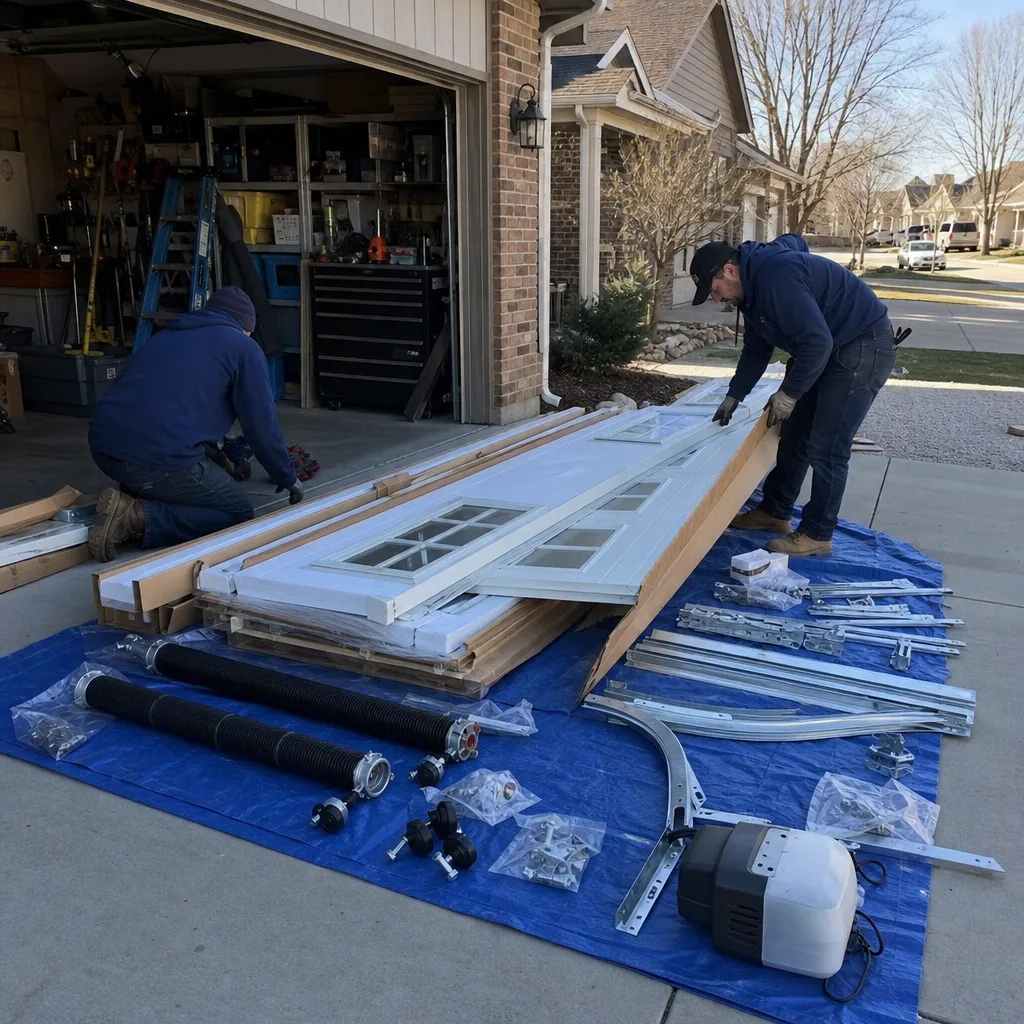
- Assuming all garage door work needs a permit. This overcorrection leads homeowners to pay permit fees for like-for-like replacements that Longmont classifies as repair. You’re buying paperwork nobody needs. If the door size and opening are unchanged, skip the permit and save the $125.
- Assuming no garage door work ever needs a permit. The opposite error. A widening, header change, or structural modification absolutely requires one, and skipping it creates a resale and insurance problem that costs more to fix later than the permit would have cost upfront.
- Letting the contractor pull the permit without verifying it exists. Ask for the permit number. Then call Longmont’s Building Services Division and confirm it’s active. A contractor who says the permit is “in process” for more than a week should have a permit number to show you.
- Ignoring the electrical permit on an opener install. A new opener on an existing GFCI-protected circuit is a swap. A new opener on a new circuit is electrical work. The distinction matters, and Longmont’s electrical inspectors enforce it.
- Replacing the garage-to-house door with an unrated one. The 20-minute fire-rated requirement applies even if you’re not touching the vehicle door. Installing an unlabeled door creates a code violation that will surface at resale.
- Treating the inspection as optional after pulling the permit. An open permit with no final inspection is worse than no permit at all on a disclosure form. It tells the buyer the work was started but never verified. Close it out.
- Forgetting that detached garages are still regulated. A detached garage in Longmont is still subject to building codes. The electrical service requirements and structural rules apply. Don’t assume a detached structure is exempt.
When to Call a Professional
A like-for-like garage door replacement is within the reach of a skilled DIY homeowner who has done spring and cable work before. But the moment you’re touching a header, relocating load, running a new circuit, or converting from single to double door, this is no longer a DIY project. The forces involved in torsion springs, the structural math on a widened opening, and the electrical requirements for a new opener circuit are not forgiving of mistakes.
We regularly see the aftermath of DIY structural work on Longmont garages. A header that sagged within six months because it was sized for the old opening. An opener circuit that trips the moment a vehicle’s headlights glow through the windows because someone tapped into the lighting circuit. An unpermitted widening that a buyer’s inspector flagged and that cost the seller $9,000 in credits to resolve. The pattern is consistent: the DIY or unlicensed route saves money on the invoice and costs it three times over in the correction.
For garage door installation and structural work, Garage Door Installation in Longmont from our team includes the permit paperwork, correct header sizing, and close-out inspection scheduling. Servo Garage Doors Longmont offers free estimates in Longmont – call (970) 528-5851. We’ll tell you upfront whether your specific work needs a permit, and we’ll put that in writing before any work starts.
Frequently Asked Questions
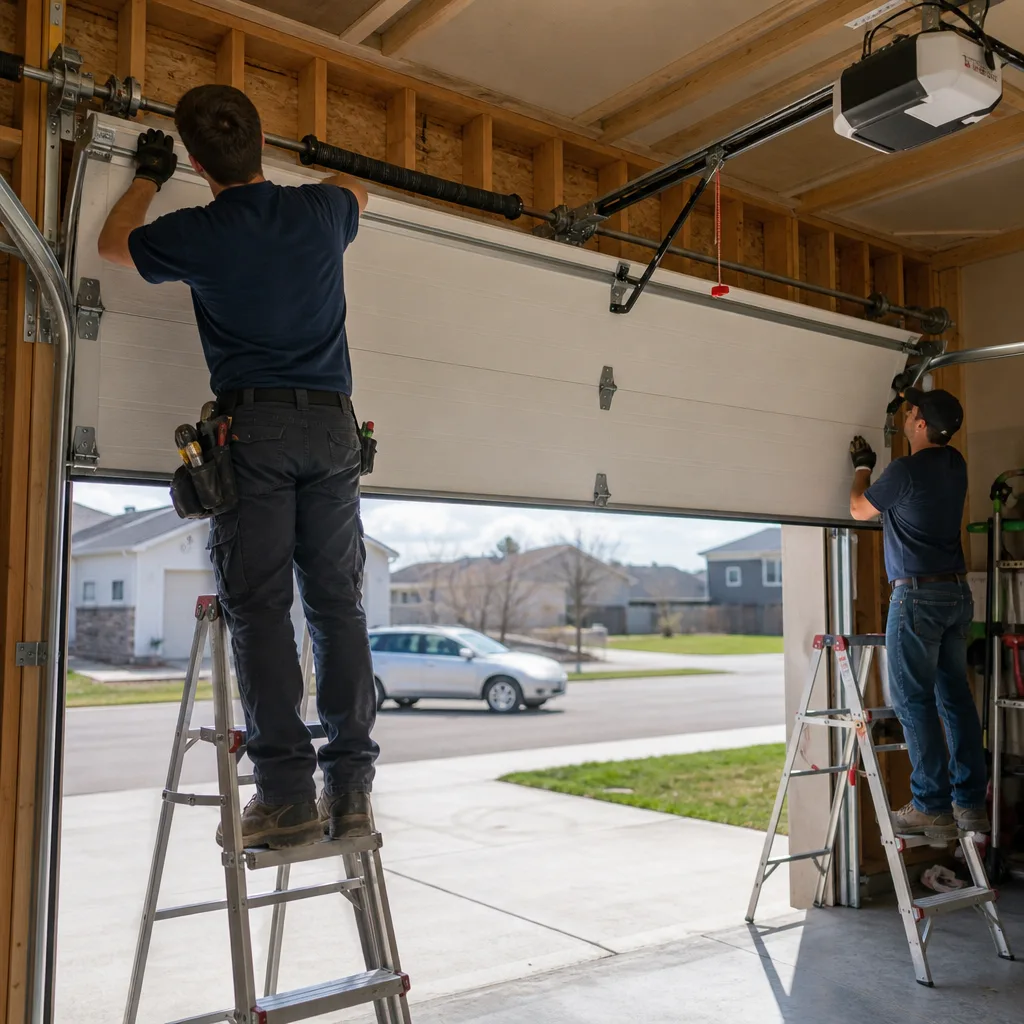
No permit is required if you’re replacing a garage door with a unit of the same size in the same opening without modifying the structure. This qualifies as repair under Longmont Municipal Code. A permit is required only if you’re changing the opening size, modifying the header, or making structural changes. If you’re unsure whether your specific replacement qualifies as like-for-like, call Servo Garage Doors Longmont at (970) 528-5851 and we’ll confirm it in writing.
A residential building permit for a garage door alteration in Longmont typically costs $125 to $450 depending on whether structural work is involved. An electrical permit for a new opener circuit adds $75 to $150. Plan review fees, if required, add $100 to $250. The total permit cost for a typical garage door widening with a new opener circuit runs $300 to $750.
Yes. Longmont allows property owners to pull their own building permits, and we recommend it when the work is permitted. The permit should be in your name so you control the inspection schedule and the final record. A contractor can also pull the permit, but you should always verify the permit number directly with Longmont’s Building Services Division.
An unpermitted widening creates three specific problems. Your insurance claim on damage involving the modified structure may be denied if the alteration contributed to the loss. Your home’s resale will require disclosing the unpermitted work, which can stall a buyer’s financing or reduce the sale price by thousands. And if the structural work fails, you have no permit record to establish what was done or by whom. The retroactive permit process in Longmont costs more than pulling it upfront.
Yes. Under the 2021 IRC as adopted in Colorado, the door between your attached garage and your living space must be a 20-minute fire-rated door with a UL or Intertek certification label. Self-closing hardware is required. A solid-core door without a certification label does not meet the requirement, no matter how solid it feels. This applies regardless of whether you’re doing any garage door work.
Yes. Per Clause 1 of The Haven Standard, our written scope and flat-price quote includes every cost associated with the job, including permit fees, inspection scheduling, and any plan review fees. If the job requires a permit, the permit cost appears as a line item on the written quote you receive before any work starts. If the job does not require a permit, we tell you that in writing too. There is no “call for a quote” – the price is on the page before the first tool comes out.
The Bottom Line
Garage door permits in Colorado are a knowable, specific set of rules, not a gray area. Like-for-like replacement: no permit. Opening modification or structural work: permit required. New opener circuit: separate electrical permit. Fire-rated pedestrian door: always required, regardless of any other work. The homeowners who get hurt are the ones who confuse these categories, or who let a contractor make the determination without putting it in writing. In Longmont, the permit process is accessible, the fees are reasonable, and the close-out record protects your resale value and your insurance position. Understand the repair-versus-alteration line, keep the paperwork in your name, and you’ll never be surprised at closing. Visit our more guides & resources for additional homeowner advice.
Written by Marcus Deller, Owner at Servo Garage Doors Longmont, serving Longmont since 2015.
For garage door work in Longmont, whether it’s a Servo Garage Doors Longmont home visit for a like-for-like replacement or a permitted structural alteration, our team documents what we find and what we do, with a photo record included on every visit. For opener work, see our Garage Door Opener Repair & Installation in Longmont page. Call (970) 528-5851 for a free estimate with a written price and written scope before any work starts.