
Last updated September 20, 2026
Full 25-point door and opener safety check with every visit - springs, cables, rollers, tracks, and your LiftMaster or Chamberlain opener included
You get a price before we start. It does not change when the truck arrives.
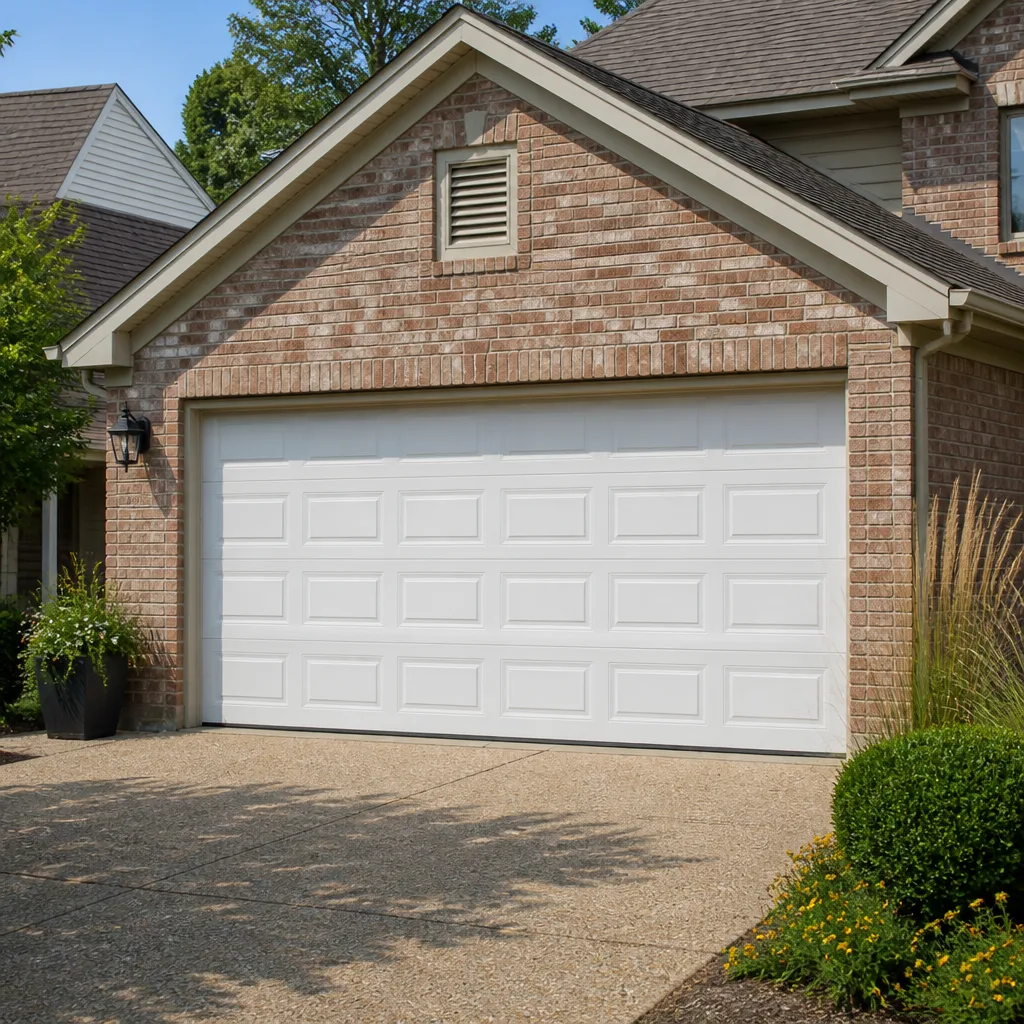
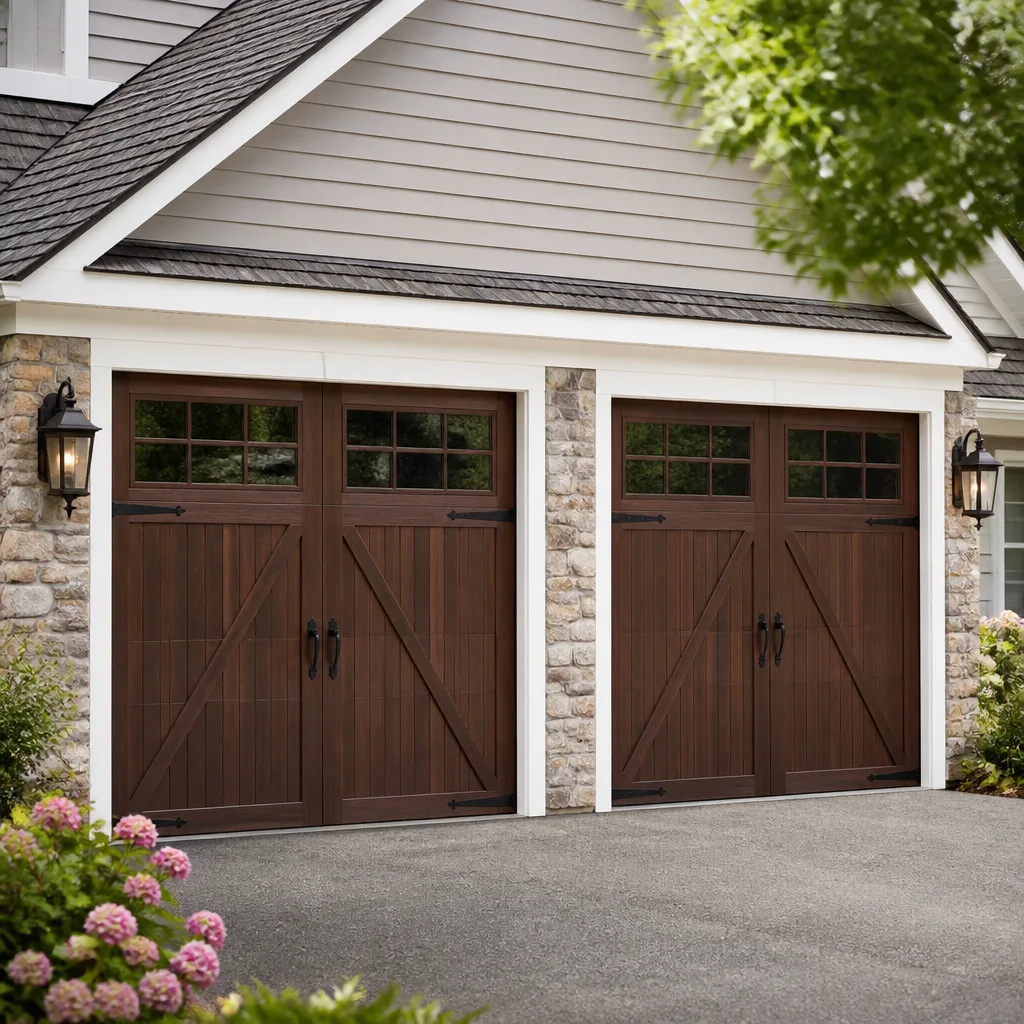
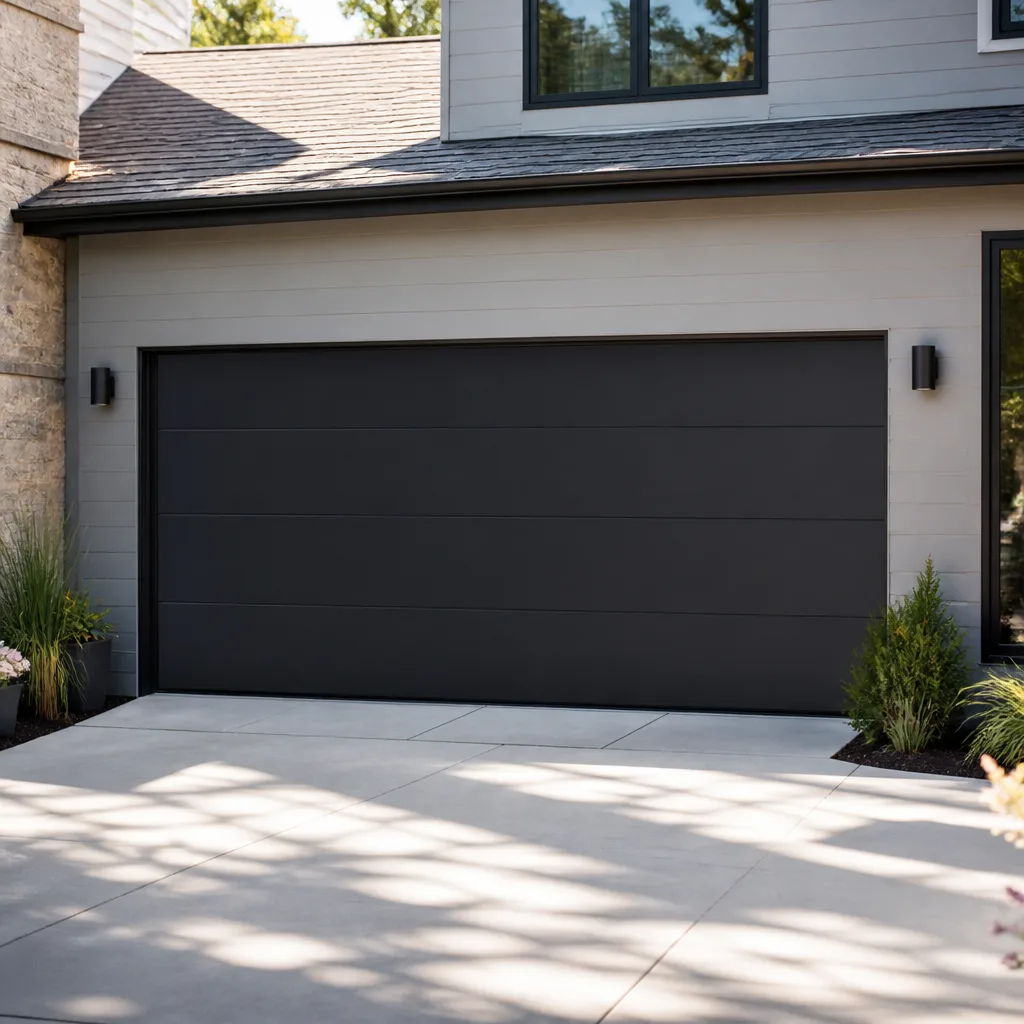
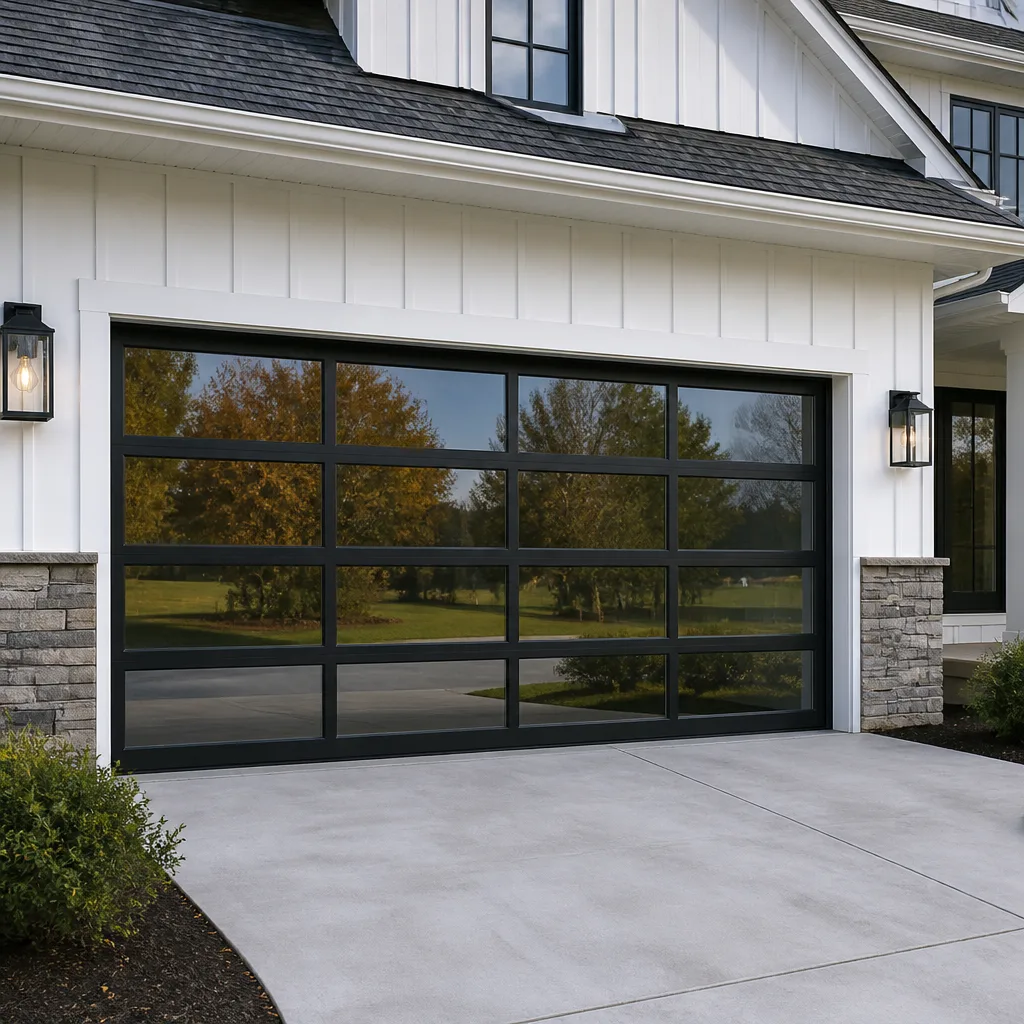
 Before
 After
After Before
 After
After Before
 After
AfterThe Complete Guide to Garage Door in Longmont
A standard 16×7 garage door rated R-12 loses meaningful thermal efficiency once the bottom seal hardens and the weatherstripping pulls away from the jamb in sub-zero drafts. Longmont sees those drafts several times each winter, and the temperature inside an attached garage can swing 50 degrees between midnight and noon during a chinook. Most installation quotes in town never mention seal condition, panel gauge, or track reinforcement, because those are the line items that separate a door that lasts seven years from one that lasts twenty. This guide maps every decision you’ll make, from panel material to drive type, against the specific conditions Longmont throws at a garage door, and points to more guides & resources for ongoing maintenance. By the end, you’ll know exactly what to ask for, what to pay, and what documentation to demand before anyone touches your opener.
Quick Answer
A garage door in Longmont should be chosen for three local conditions: 300-plus days of high-altitude UV exposure, frequent temperature swings of 40 degrees or more within 24 hours, and wind gusts that exceed 60 mph along the foothills. The most durable, lowest-maintenance setup for a Longmont attached garage is a triple-layer polyurethane-insulated steel door with a belt-drive opener on a reinforced track system.
Table of Contents
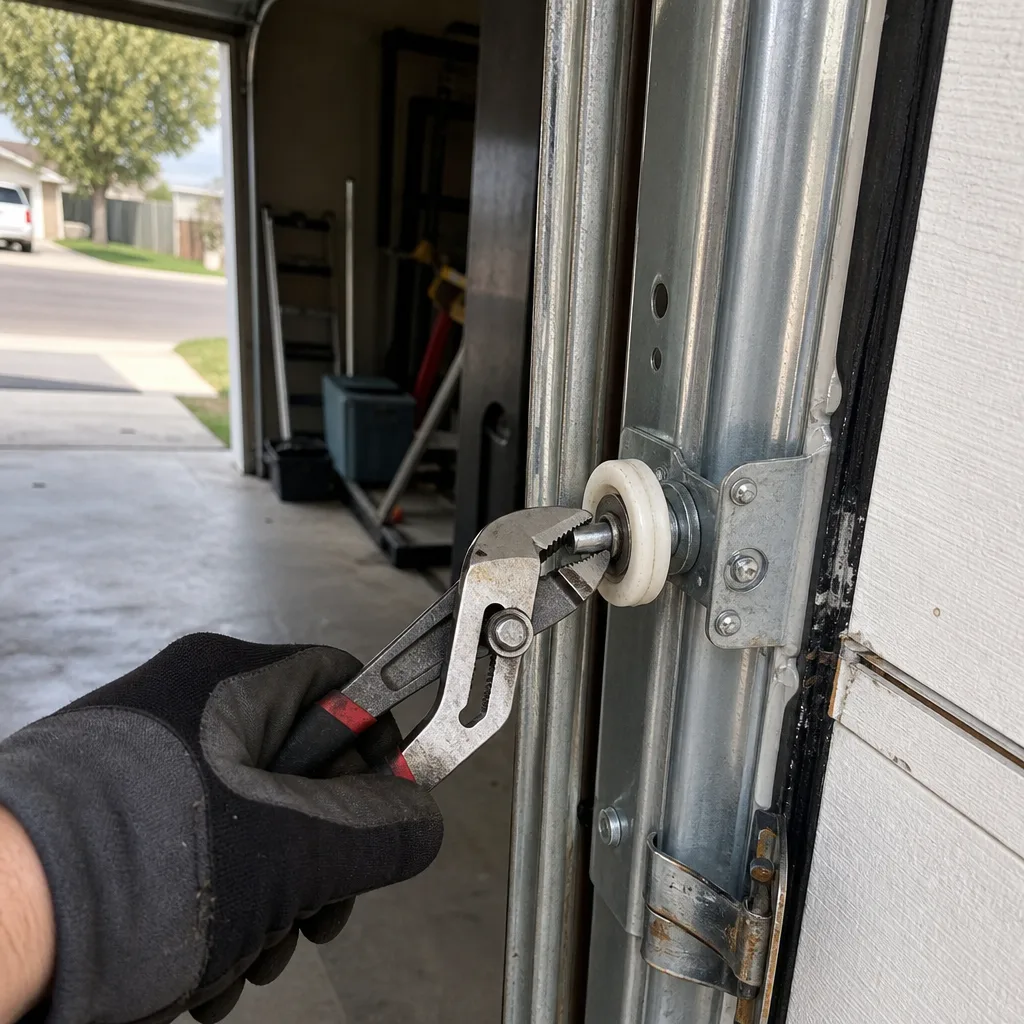
- How Longmont’s Climate Changes What a Garage Door Needs to Be
- Panel Materials: Steel, Aluminum, Wood, and What Actually Survives at 5,000 Feet
- Insulation and R-Value: The Reality Check on Polystyrene vs. Polyurethane
- Drive Types Compared: Belt, Chain, Screw, and Direct-Drive for Longmont Homes
- Longmont Door Sizes and Documented Parts-and-Labor Cost Ranges
- Permits and Code: What Longmont Actually Requires for Replacement vs. New Installation
- What a Documented Installation Looks Like: The 7-Step Process
- Seasonal Maintenance for Longmont’s Freeze-Thaw Cycle
- Common Mistakes to Avoid
- When to Call a Professional
- Frequently Asked Questions
- The Bottom Line
BeforeAfterHow Longmont’s Climate Changes What a Garage Door Needs to Be
A garage door in Longmont is not the same product as a garage door in a coastal city or a humid southern state. The elevation here, roughly 5,000 feet, means thinner air, more intense UV radiation, and overnight temperature drops that happen fast and hit hard. It also means wind. The chinook events that roll down the Front Range can push sustained winds over 60 mph against the broad face of a garage door, and that force tests the hinges, the track brackets, and the panel-to-panel connection points in ways a spec sheet written for Kansas never anticipates.
Here’s what that means in practical terms, from our work across Longmont since 2015:
UV Exposure Strains Paint and Weatherstripping First
At this elevation, the sun is measurably harsher. Steel doors with a standard polyester topcoat will show chalk and fade within four to six years on a south- or west-facing garage. The weatherstripping along the bottom and sides degrades faster too. Rubber seals that would last a decade near sea level often crack and stiffen here in five. When the seal hardens, air moves. When air moves, the R-value printed on the label stops meaning anything.
Temperature Swings Stress Metal and Fasteners
A 40-degree swing in a single day is routine in Longmont, not exceptional. Steel expands when it warms and contracts when it cools. Over hundreds of cycles, that expansion works screws loose in hinges and track brackets. We regularly see doors in the Meadow Mountain and Quail Crossing neighborhoods where the panel screws have backed out a full quarter-inch, and the homeowner assumed the door was worn out when the real fix was fifteen minutes of torquing and a new set of nylon rollers.
Wind Loads Require Heavier Gauge and Reinforced Tracks
Here’s a number worth knowing: a standard 16×7 door presents about 112 square feet of surface area to the wind. At 60 mph, that’s a meaningful lateral load. Doors built with 27-gauge steel or thinner can flex visibly in those gusts, and the flex eventually fatigues the metal at the hinge points. We recommend 24-gauge or 25-gauge steel for Longmont doors, with a strut across the top panel on anything 16 feet wide. It adds a modest materials cost and buys years of service life.
If you’re evaluating a quote right now, or you have an estimate from another company in hand, start with our Servo Garage Doors Longmont home page to understand the documentation standard we hold every job to, then read on for the specifics.
Panel Materials: Steel, Aluminum, Wood, and What Actually Survives at 5,000 Feet
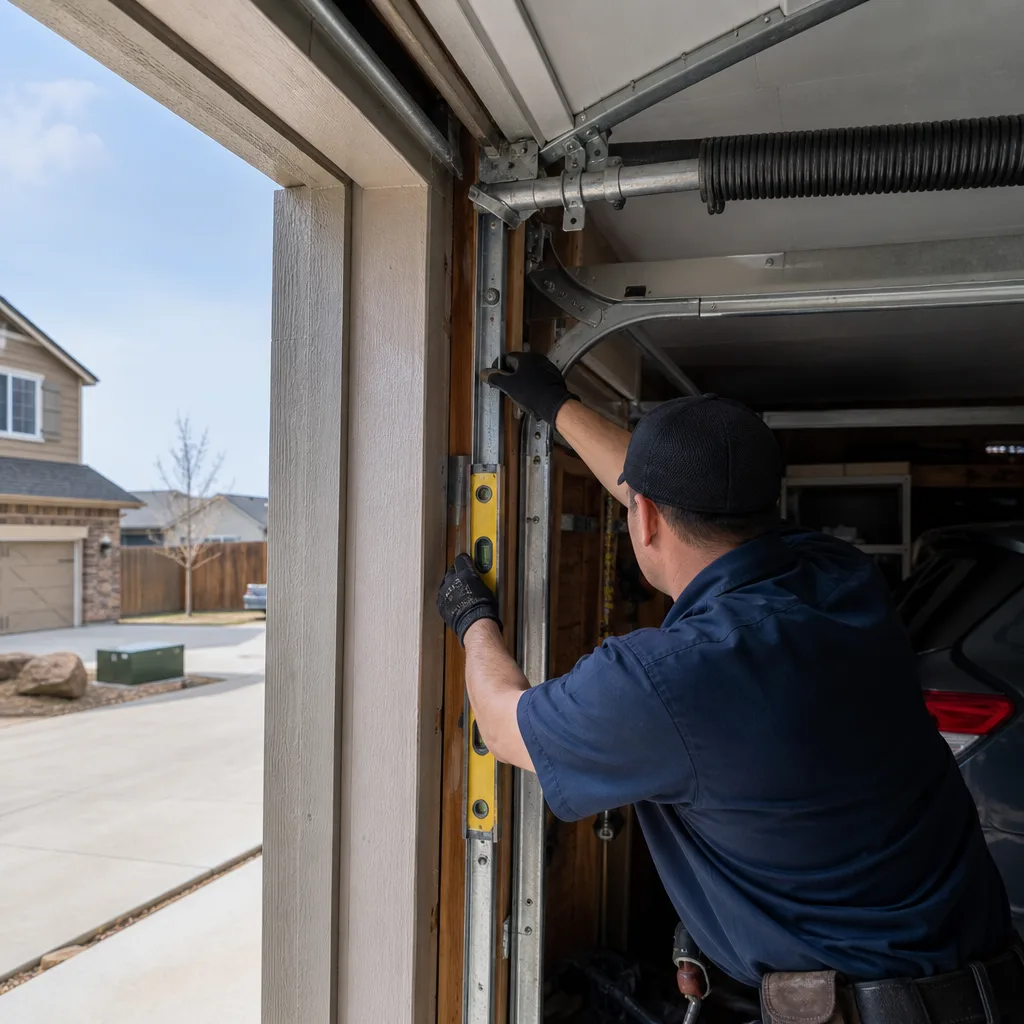
The panel material is the single largest driver of both price and longevity, and the right choice depends on whether your garage door faces south, whether it’s attached to living space, and how much maintenance you’re actually willing to do. Here’s the honest breakdown from what we’ve installed and repaired across Longmont.
Steel: The Default, and for Good Reason
Steel remains the dominant material because it balances cost, durability, and weight. Modern steel doors use galvanized and primed panels with a baked-on finish that holds up reasonably well even under Longmont sun, provided you choose a door with a polyurethane topcoat rather than a basic polyester one. Steel is also the material we can most reliably reinforce for wind load. The trade-offs: steel dents when hit hard enough, and once the finish is scratched to bare metal, rust follows. Touch-up paint matters more here than most installers mention.
Aluminum: Light, Modern, and the Wrong Call for Shared Walls
Aluminum doors with full-view glass panels have become popular in newer Longmont subdivisions, particularly for modern and contemporary homes. They look sharp. But aluminum conducts heat aggressively, and an all-aluminum door offers effectively zero meaningful insulation. If the garage shares a wall with a bedroom or a home office, an aluminum door in that space means real heat loss every winter night. Aluminum is also more prone to denting than steel, and the frame extrusions can loosen at the joints through repeated wind buffeting.
Wood: Beautiful, Expensive, and a Commitment
Solid wood doors are rare in Longmont, and that’s partly because the maintenance schedule is unforgiving here. The dry air pulls moisture from the wood, and the freeze-thaw cycle causes expansion and contraction across the grain. A wood door on a south-facing garage needs sanding and refinishing every two to three years to survive, and even then, warping is a real risk. We usually steer customers toward steel doors with a wood-grain finish, like the Clopay Reserve line, which gives the look without the upkeep.
The Spec That Matters: Panel Gauge
Most discount doors use 27-gauge steel, which is thin enough to flex under hand pressure in the middle of a panel. We specify 25-gauge or 24-gauge for Longmont installs. The difference in raw material cost is small, but the difference in wind performance and dent resistance is substantial. If a quote doesn’t state the gauge, ask. If the salesperson doesn’t know, that tells you something useful.
For a deeper look at how material choices play into a full replacement, see our breakdown on Garage Door Installation in Longmont.
Insulation and R-Value: The Reality Check on Polystyrene vs. Polyurethane
Insulation is where most garage door marketing gets slippery. A manufacturer will print an R-value on the label, and it’s technically accurate at the moment of manufacture. But what matters in a Longmont garage is the door’s assembled, installed thermal performance, and that number depends on three things the label never addresses: air sealing, panel construction, and thermal bridging.
First, the basics. R-value measures resistance to heat flow. Higher is better. A single-layer steel door, which is just a sheet of formed metal with braces, delivers approximately R-2, which means it does almost nothing. A double-layer door with a polystyrene core, the white foam-board material you’ve seen in cheap coolers, typically runs R-6 to R-9. A triple-layer door with a polyurethane core, which is injected as a liquid and expands to fill every cavity between a steel skin on the front and an interior steel or aluminum backer, typically runs R-12 to R-18.
Here’s the problem with the polystyrene number: it ignores the frame. In a double-layer door, the foam is set inside a steel perimeter frame, and that frame conducts heat directly from the outside skin to the inside of the garage. Every stile and rail becomes a thermal bridge, a path for heat to move around the insulation. A triple-layer door sandwiches those structural members between the two skins, which cuts the bridging dramatically. In a Longmont garage that shares a wall with living space, and where overnight lows hit the teens several times each winter, the difference between a stated R-9 and a stated R-12 is less important than the difference between double-layer and triple-layer construction.
And then there’s sealing. A door with an R-16 rating and a cracked bottom seal performs like an R-4 door, because air moves through the gaps and carries heat with it. We’ve tested this with an infrared camera on jobs in the Renaissance neighborhood: the panel face reads cold, as expected, but the biggest infrared signature is always at the perimeter where the weatherstripping has stiffened or pulled away. Any garage door strategy for Longmont has to treat the seal as part of the insulation system, not an afterthought.
Bottom line for a Longmont attached garage: choose triple-layer polyurethane, ensure the door has a thermal break between the skins, and verify the weatherseal condition at least once a year, before the first hard freeze.
Drive Types Compared: Belt, Chain, Screw, and Direct-Drive for Longmont Homes
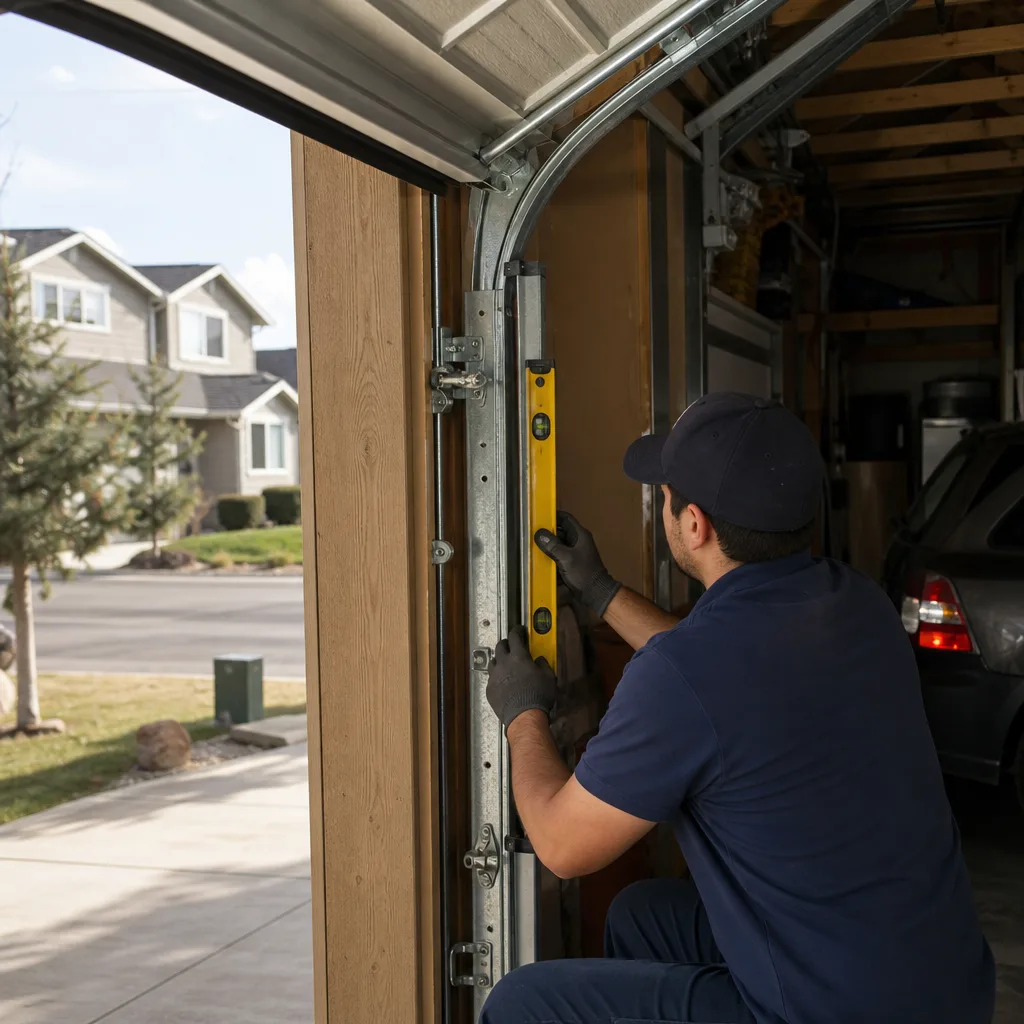
The opener is the mechanical heart of the system, and the drive type determines three things: noise, speed, and how well the unit tolerates temperature swings. Here’s the comparison drawn from what we service across Longmont, from the older openers in Old Town to the newer builds east of County Line Road.
Belt Drive: The Default Recommendation for Attached Garages
A belt-drive opener uses a reinforced rubber belt to move the trolley carriage along the rail. It’s the quietest common drive type, which matters when the garage is directly beneath a bedroom or behind a home office wall. In our experience, a quality belt-drive unit from LiftMaster or Chamberlain is audible in the room above as a low hum, not a rattle. Belt drives also tolerate cold well; the rubber doesn’t stiffen in a meaningful way until well below zero, and Longmont’s winter lows rarely test that threshold. This is the drive type we recommend for most Longmont homes.
Chain Drive: Proven, Cheaper, and Loud
A chain-drive opener uses a metal chain, the same concept as a bicycle chain, to pull the trolley carriage. It’s the least expensive drive type and the most common in homes built before 2010. Chain drives work fine. They also rattle, especially as the chain stretches and the tensioner loosens over time. In a detached garage, that noise is irrelevant. In an attached garage with a bedroom above, it’s a nightly annoyance. Chain drives remain a reasonable budget choice for detached spaces or garages that never share a wall with living space.
Screw Drive: Fast, but Sensitive to Temperature Swings
A screw-drive opener moves the trolley along a threaded steel rod. It has fewer moving parts than a chain or belt drive and moves fast, and it’s often quieter than a chain. The catch: thermal expansion of that steel rod changes the unit’s travel limits. A screw-drive opener set up correctly in July can trip its limit switch in January, stopping the door six inches short of closed. In our Longmont service work, screw-drive openers are disproportionately represented in cold-weather limit-switch callbacks. Genie made these popular for years, and they do work, but they need seasonal limit re-checks more than other drive types.
Direct-Drive: The Quiet Performer with Fewer Wear Points
A direct-drive opener hides the motor itself inside the trolley carriage, so there’s no belt, no chain, and no screw rod to wear. The carriage moves along a fixed rail, and the motor travels with it. These units are exceptionally quiet and have fewer failure points in our experience, but parts are less universally available, and not every brand carries a direct-drive line. If you’re choosing a new opener for an attached Longmont garage and noise is your primary concern, consider a direct-drive or belt-drive unit over a chain, and ask about the rail type before the technician arrives.
Opener problems account for a large share of our repair calls in Longmont. For specifics on diagnosis and replacement, see our Garage Door Opener Repair & Installation in Longmont guide.
Longmont Door Sizes and Documented Parts-and-Labor Cost Ranges
Here’s a Garage Door Cost Breakdown: The Longmont Homeowner’s Reference for 2026 you can use as a baseline when evaluating any quote in Longmont. These numbers reflect our documented jobs since 2015: standard steel doors, standard track, standard spring system, and a clean, uncomplicated opening. They are not prices, because every job is different, but they are honest ranges. The price on a written quote should always be flat and agreed before any work begins. Clause 1 of The Haven Standard requires it.
- 8×7 single door, double-layer polystyrene, chain-drive opener: $1,100 to $1,600 installed
- 8×7 single door, triple-layer polyurethane, belt-drive opener: $1,600 to $2,300 installed
- 16×7 double door, double-layer polystyrene, chain-drive opener: $1,800 to $2,600 installed
- 16×7 double door, triple-layer polyurethane, belt-drive opener: $2,400 to $3,600 installed
- 16×7 full-view aluminum door, no insulation value, any drive: $3,200 to $5,500 installed
- Custom or oversize door (18×8, 9×8, wood, or heavy gauge for wind): $3,000 to $7,500 installed
Three factors move the final number most: gauge (24 vs. 27), insulation method (double vs. triple layer), and track type (standard vs. reinforced). A door with 95% of the cost of a premium door but 75% of the wind performance is no bargain in Longmont. When a competing estimate comes in lower, check which of those three factors the cheaper quote is cutting, because that’s where the money is hidden.
And one more note: a written price should be exactly that. Not an estimate range with an asterisk, not a “starting at” figure. The total you agree to on paper is the total you pay, unless you add scope during the job. If a contractor won’t put the number in writing before starting, walk. That is the entire point of the system we follow.
Permits and Code: What Longmont Actually Requires for Replacement vs. New Installation
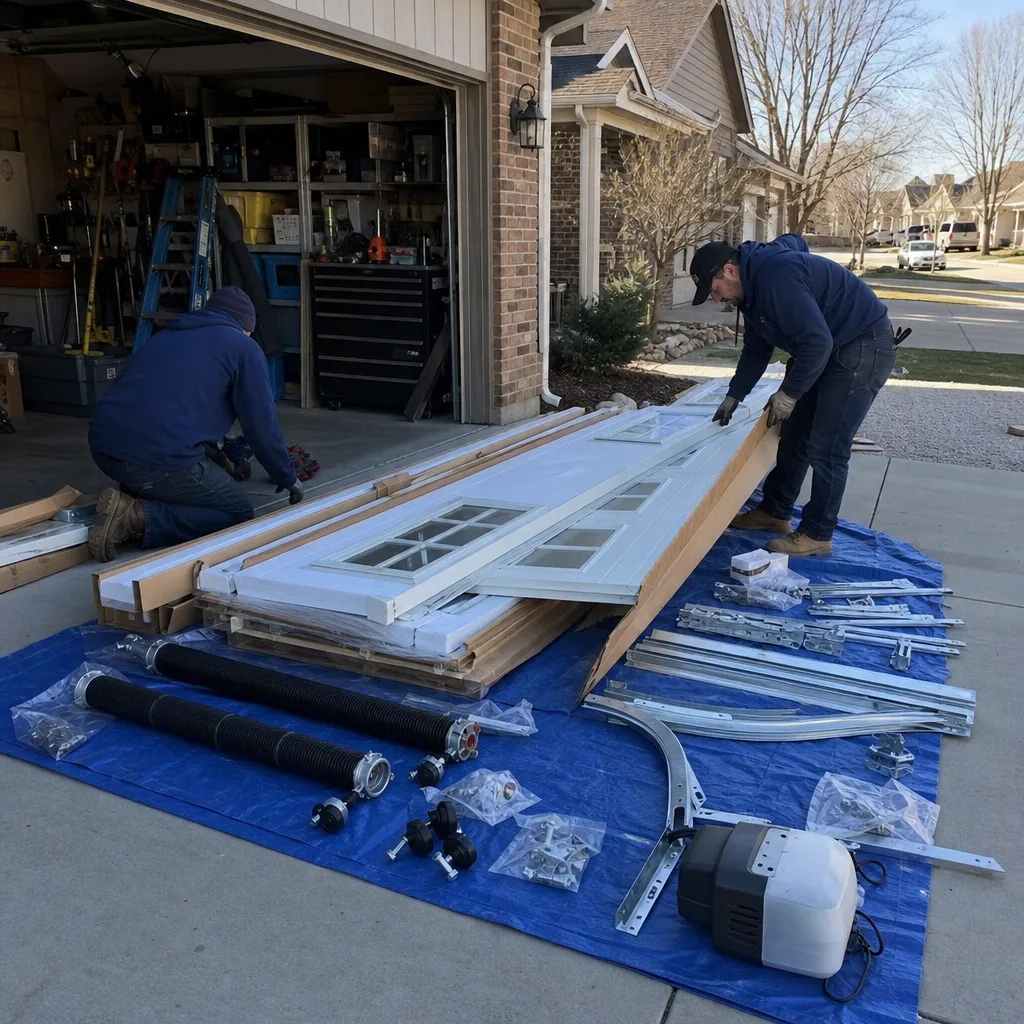
Longmont operates under Garage Door Permits, Codes & Inspections in CO: What You Need to Know with some city-level specifics. For garage door work, the distinction that matters is replacement versus new installation, and most homeowners don’t know where the line sits.
For a like-for-like replacement, where you are swapping an existing door, track, and spring system for a new door of the same size in the same opening, Longmont does not typically require a building permit. The work is considered maintenance and replacement of existing equipment. Most of our repair and replacement jobs across Longmont proceed without a permit because the structural opening, header, and foundation are untouched.
For a new installation, where you are creating a garage door opening that did not exist before, or enlarging an existing opening, the picture changes. That work alters the structure of the building, and Boulder County’s building division will require a permit and an inspection. The header above the opening carries real load, and an undersized or improperly installed header is a structural failure waiting to happen. If a contractor tells you a permit isn’t needed for a new opening, that’s a red flag that outweighs any discount they offer.
There’s also a middle case worth knowing about: a replacement that changes the structural opening. If you want to go from a single car door to a double, or from an 8-foot height to a 9-foot height for truck clearance, you’re modifying the opening, and the permit requirement kicks in. The trigger is structural change, not door size.
Finally, if your home falls under an HOA, as is common in newer Longmont developments, check the covenants before selecting a door. Some HOAs restrict door materials, colors, or glass options, and a door that violates the HOA’s design standard can become an expensive correction.
What a Documented Installation Looks Like: The 7-Step Process
A quality garage door installation in Longmont isn’t a mystery. It’s a sequence, and the missing steps are where corners get cut. Here’s the process a thorough installation follows, step by step.
- Site inspection and measurement. The technician measures the opening width, height, side room, and headroom, then checks the condition of the header, jambs, and floor. In Longmont’s older homes, particularly around Old Town and the Eastside, the openings are rarely perfectly plumb, and the install plan has to account for that.
- Written scope and flat price. Before any parts are ordered or work begins, you receive a written scope of work and a flat price. No range, no asterisk. This is where the paper trail starts.
- Track and hardware installation. The vertical and horizontal track sections are mounted to the jambs and ceiling, leveled and aligned, with brackets torqued to spec. For 16-foot doors, a strut across the top panel is installed for wind reinforcement.
- Panel assembly and installation. Panels are set in place from the bottom up, connected at the hinges, and the rollers are seated in the track. This is the step where an installer either keeps the panel seams aligned or forces them, and you can see the difference when it’s done.
- Spring system installation and balancing. Torsion springs are mounted and wound to a calculated number of turns based on door weight and spring wire diameter. A properly balanced door will hold position mid-travel when released by hand. This step requires a trained professional; the stored energy in a wound torsion spring can cause serious injury.
- Opener installation and calibration. The opener is mounted, the travel limits are set, and the force settings are adjusted. The door should reverse on contact with a reasonable obstruction, and the limit switches should be calibrated so the door fully closes without slamming the floor.
- Documentation and walkthrough. Before the technician leaves, you receive a documented photo record of what was found and what was done. This traces back to the founding rule that the customer sees the failed part before anyone quotes a replacement, and it’s Clause 4 of The Haven Standard. You sign off, and the written warranty is in your hands before the truck pulls away.
If a contractor skips step 2 or step 7, you’re working without the paper trail that makes an installation worth what you paid. For repair work specifically, that process is slightly different, and we’ve written it out in detail on our Garage Door Repair in Longmont page.
Seasonal Maintenance for Longmont’s Freeze-Thaw Cycle
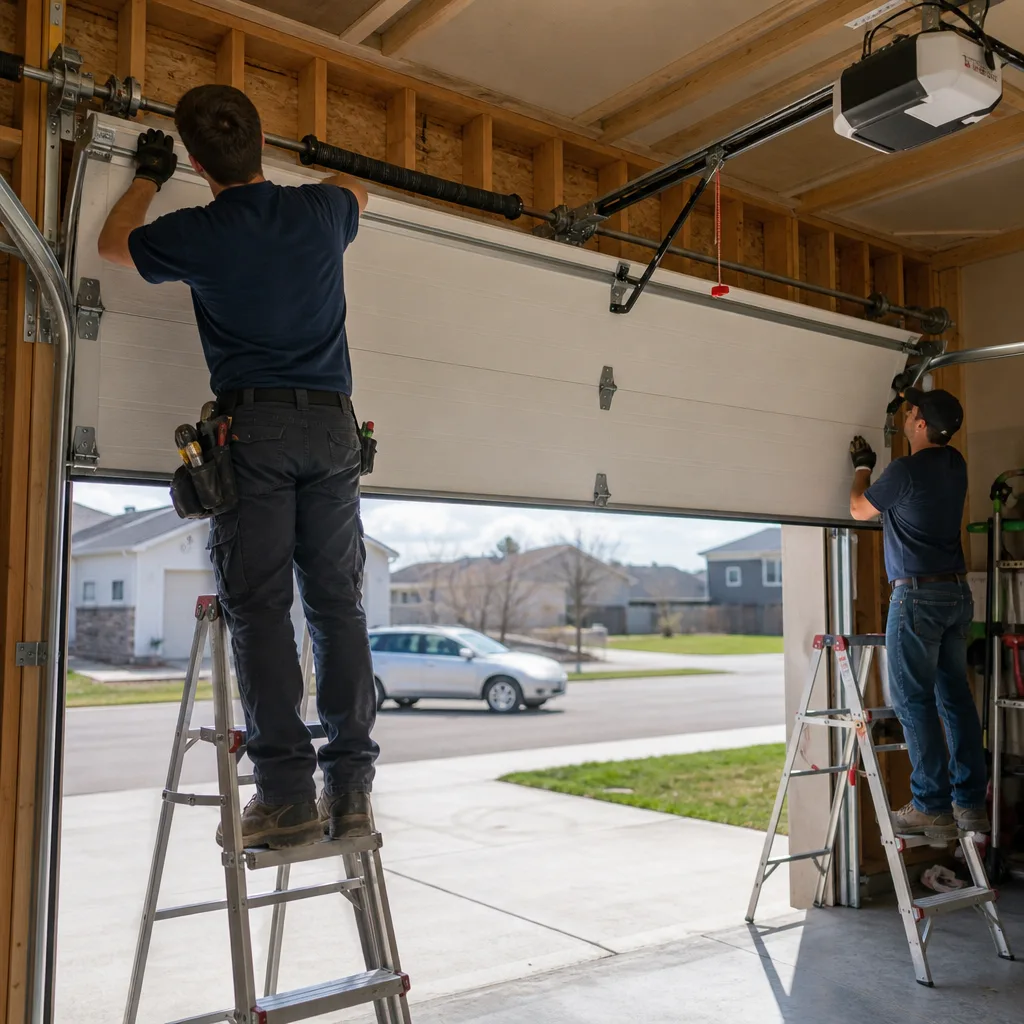
A garage door is a mechanical system with moving parts, and Longmont’s freeze-thaw cycle is rough on metal. Here’s a maintenance rhythm that keeps a door operating through the cold snaps and the spring wind season.
Fall, Before the First Hard Freeze
- Inspect and replace weatherstripping. The bottom seal and the side jambs take the most abuse. If the rubber is stiff, cracked, or no longer flexible, replace it before the cold air becomes a nightly visitor.
- Lubricate the moving parts. Hinges, rollers, and the torsion spring should get a light application of a silicone or lithium-based garage door lubricant. Do not use WD-40; it’s a solvent, not a lubricant, and it will strip the existing coating.
- Test the auto-reverse function. Place a 2×4 or a roll of paper towels under the door and close it. The door should reverse on contact. This is a safety system, and it should be tested twice a year, minimum.
Spring, After the Wind Season
- Tighten all visible fasteners. The winter temperature swings have worked on every screw and bolt on the door. A socket wrench and fifteen minutes will tighten hinges, track brackets, and panel screws.
- Inspect the rollers. Nylon rollers wear smooth, and steel rollers rust. If the door sounds rough in the track, the rollers are the likely culprit.
- Check the balance. Disconnect the opener and lift the door by hand to the halfway point, then release. A balanced door holds position. A door that drops or rises needs a spring adjustment, which is a professional job.
None of these maintenance items are difficult, and most homeowners can handle the inspection and lubrication themselves. The spring work is the exception, and that’s where you should call someone who does it every day. For a full repair baseline, including what a spring replacement costs in Longmont, visit our Garage Door Repair in Longmont guide.
Common Mistakes to Avoid
- Buying a door based on the R-value label instead of the construction. A double-layer polystyrene door with a high molded R-value still leaks heat through its steel frame in a Longmont winter. Construction beats the label every time.
- Choosing a 27-gauge panel to save money on a west-facing door. The sun and the wind will find that thin steel within five years, and the savings evaporate when the panels start flexing in the first big gust season.
- Accepting a verbal price. If the number isn’t on paper before the work starts, it doesn’t exist. Clause 1 of The Haven Standard isn’t a convenience; it’s the difference between a contract and a conversation.
- Skipping the seal inspection in an attached garage. You can lose more heat through a degraded bottom seal than through the entire panel face. One $25 seal replacement can do more for garage warmth than a $1,500 door upgrade.
- Installing a chain-drive opener under a bedroom. The rattle travels through the framing. A belt-drive or direct-drive opener costs a bit more and solves the problem permanently.
- Assuming a replacement needs the same permit as new construction. Like-for-like replacement in Longmont typically doesn’t, but altering the opening does. If you’re changing door width or height, check first.
- Letting the wrong company quote before you’ve seen their work. Bring the written estimate from any competitor and ask for a free second opinion. The documentation is the product.
When to Call a Professional
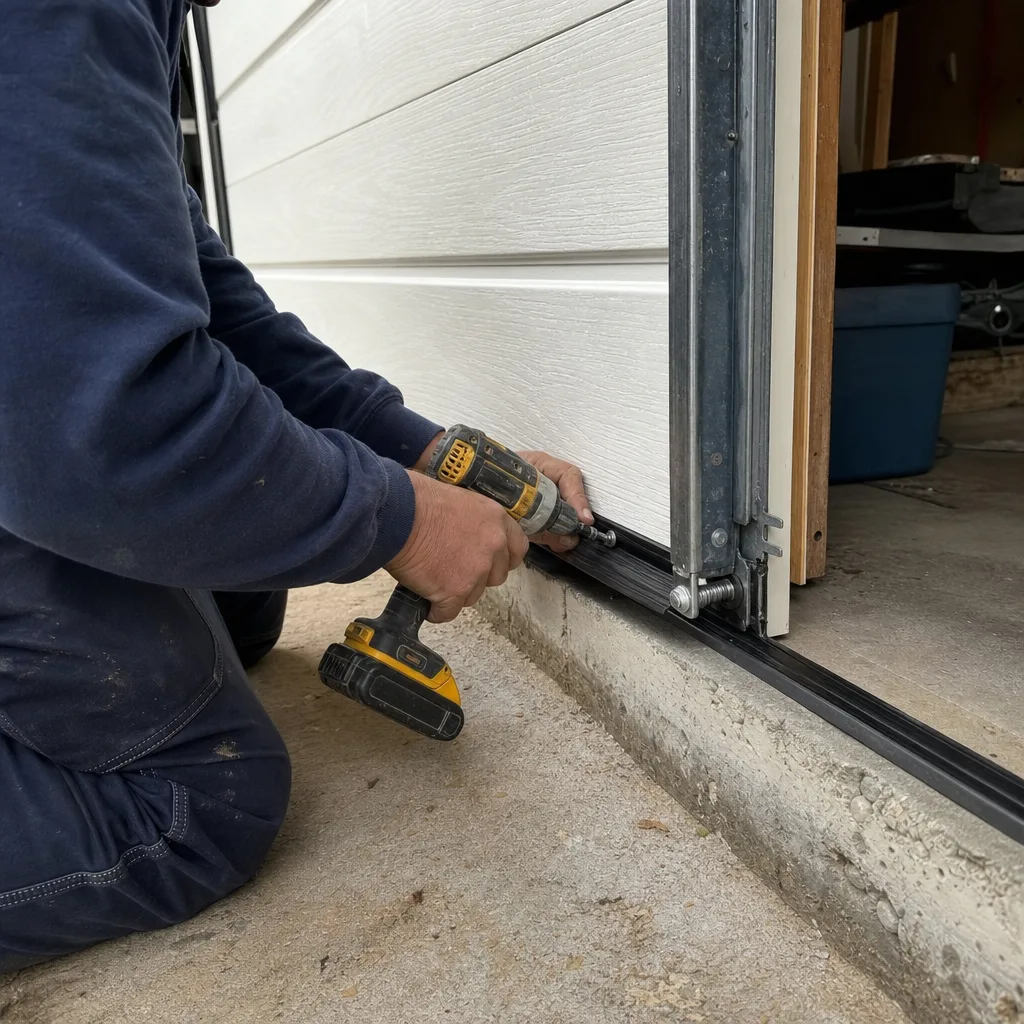
A garage door spring replacement, a track realignment, an opener logic board failure, and a panel replacement after a wind event are all jobs that require tools, training, and judgment. The torsion spring on a standard door holds enough stored energy to cause serious injury if it lets go while being wound or unwound, and the track carries the full weight of a door that often exceeds 150 pounds. If you hear a loud bang from the garage in the middle of the night, that’s a spring failure, and the door won’t open safely until it’s replaced. If the door is misaligned, grinding, or reversing unpredictably, the cause is rarely the part you can see. Servo Garage Doors Longmont offers free estimates in Longmont. Call (970) 528-5851 and we’ll tell you what’s wrong, what it costs, and what we found, in writing, before any work starts.
Frequently Asked Questions
A standard 16×7 garage door replacement in Longmont typically costs $1,800 to $3,600 installed, depending on panel gauge, insulation method, and opener drive type. This range comes from documented jobs completed in Longmont, not from a national cost database. For a single 8×7 door, expect $1,100 to $2,300. A full-view aluminum door can run $3,200 to $5,500. Get a written price before any work begins, and call (970) 528-5851 for a free estimate with the full scope on paper.
A triple-layer polyurethane-insulated steel door is the best choice for a Longmont garage that shares a wall with living space. Polyurethane fills the entire panel cavity and reduces the thermal bridging that double-layer polystyrene doors suffer from. The difference in real-world performance is dramatic when overnight lows stay in the teens. Choose polyurethane over polystyrene for attached garages.
Longmont does not require a building permit for a like-for-like garage door replacement, where the door size and structural opening are unchanged. A permit is required for a new garage door opening or any change that modifies the structural header or jambs. If you’re changing the door width or height, check with Boulder County’s building division before ordering the door.
A standard single-door installation in Longmont takes one half to one full day, including removal of the old door, track installation, panel assembly, spring balancing, and opener calibration. A double door takes a full day. Custom or oversize doors can take two days if the opening requires structural modification. The written scope will state the timeline before work starts.
A belt-drive or direct-drive opener is the best choice for a Longmont attached garage where noise matters. Belt drives are quiet, durable, and tolerate cold temperatures well. Direct-drive openers have fewer wear points and are even quieter, though parts availability varies by brand. Avoid chain-drive openers under bedrooms unless you accept the noise as part of the trade-off.
Yes, most garage door repairs in Longmont can be completed the same day, including spring replacements, cable repairs, and opener diagnostics. Emergency calls are answered by a live person 24/7, and a named technician arrives with parts on the truck for the most common failures. Call (970) 528-5851 and we’ll give you a straight answer on timing for your specific issue.
The Bottom Line
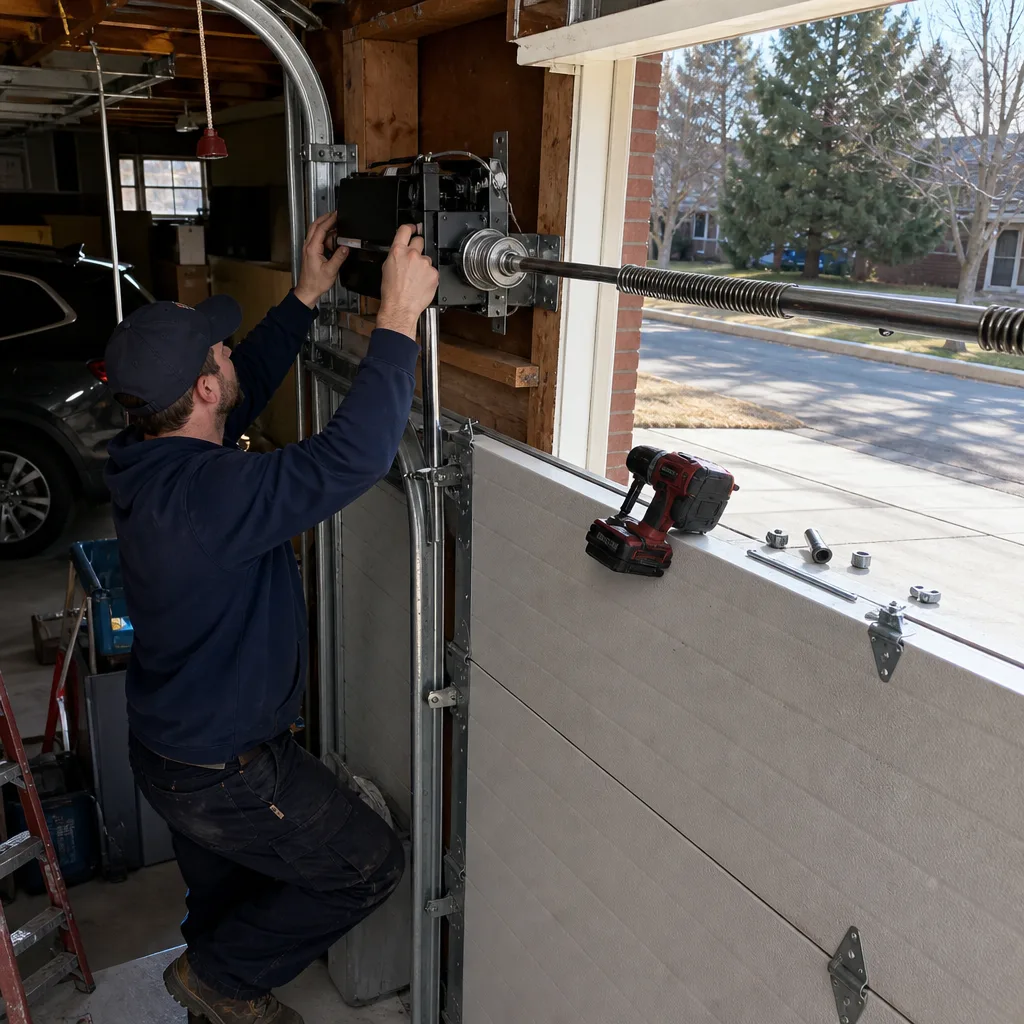
A garage door in Longmont has to earn its place against UV, wind, and temperature swings that most doors never face. The right door is a triple-layer, polyurethane-insulated, 24-gauge steel panel on a reinforced track, paired with a belt-drive opener and seals that get checked every fall before the cold arrives. The right price is the one that’s written down before the work begins. The right contractor is the one who can show you the failed part, explain the fix in plain English, and hand you a documented record when the job is done. That’s the standard we’ve held in Longmont since 2015, every job, no exceptions.
Written by Marcus Deller, Owner at Servo Garage Doors Longmont, serving Longmont since 2015.